Listen to this article
Read by an AI-generated voice · Report a mispronunciation
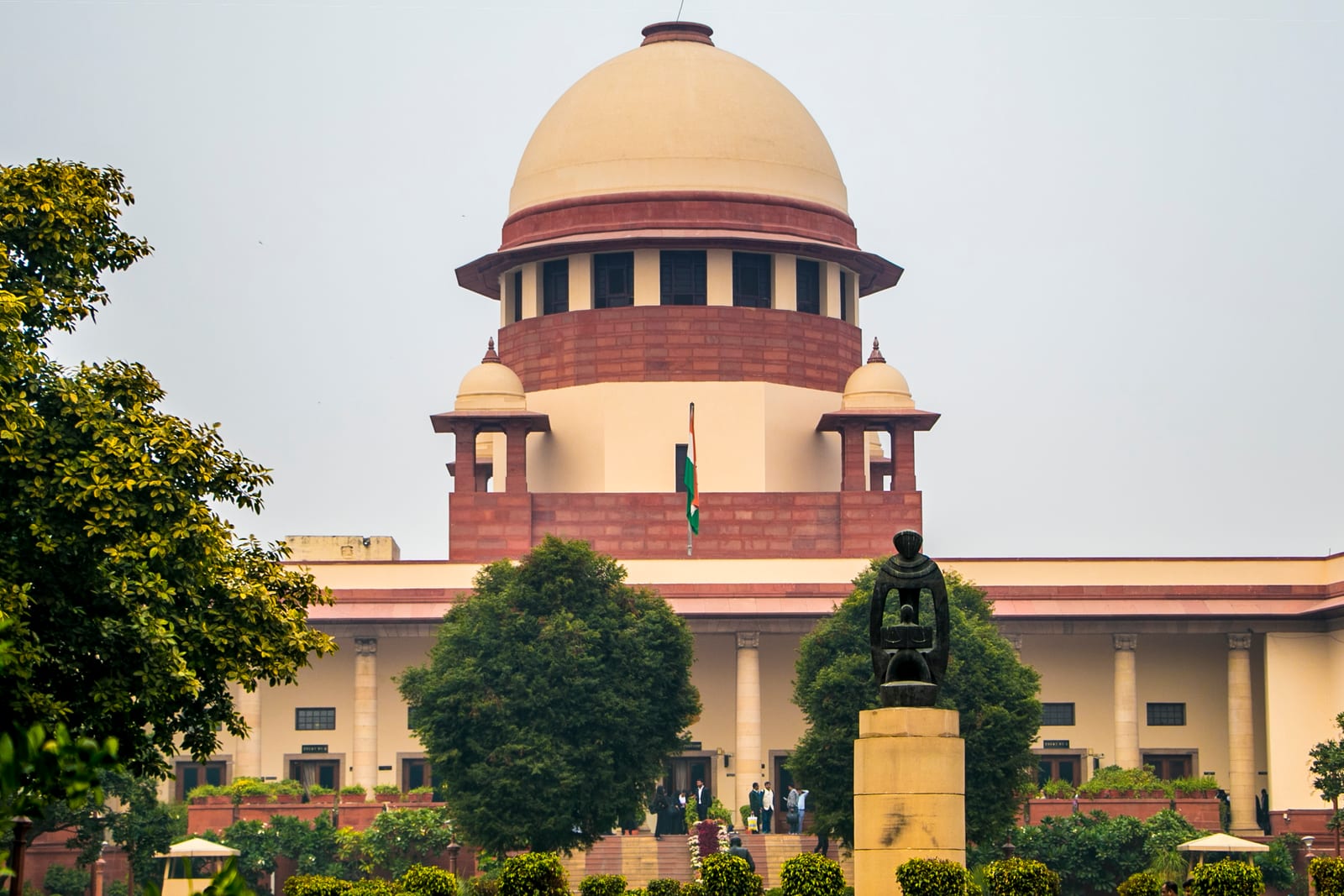
In Tamil Nadu, a state in southern India, seven Muslim communities are listed as Backward Class Muslims, and, the judgment records, 3.5% of seats in colleges and posts in government are reserved for them. Backward classes are communities the state lists as socially and educationally held back. In March 2024 the state government said that a person from one of its backward classes who converts to Islam, and was already receiving reservation, could be certified as a member of one of those seven communities. On 15 October 2026 India’s Supreme Court held that the order could not stand.
The court’s principles are not limited to Tamil Nadu. They set out what conversion to Islam, Christianity or any other “non-Hindu social order” does to a claim to reservation, and they lean on a rule that has denied Scheduled Caste status, the legal category for Dalits, among the communities once branded “untouchable”, to Dalit Christians and Dalit Muslims since 1950.
What happened
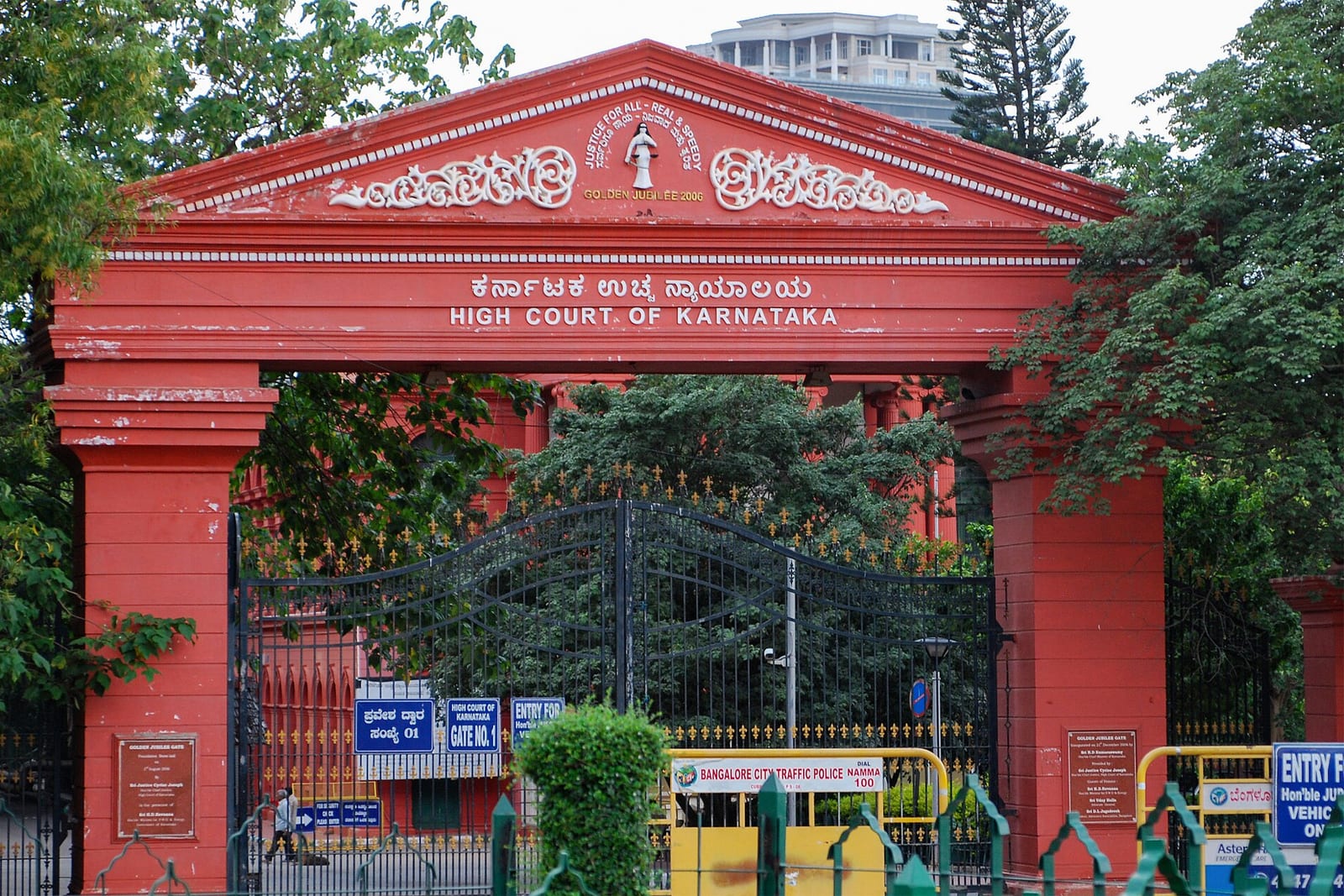
A man born to Hindu parents in Tuticorin (Thoothukudi) district, on the Tamil Nadu coast, embraced Islam in 2015 and took the name Sameer Ahamed. He applied for a community certificate as a “Muslim Labbai”. The Labbais are one of the seven listed Muslim communities. The judgment records that he was refused in November 2020 because he had “only converted to religion and not to the caste”. He went to the Madras High Court, the state’s highest court.
While his case was pending, the state’s Backward Class Commission considered converts from the backward classes and the Scheduled Castes, and the state issued a government order, G.O. (Ms.) No. 314, on 9 March 2024. As the judgment quotes it, the order let converts from the Backward Classes, Most Backward Classes and Denotified Communities “who were already availing the said reservation” be issued a Backward Class Muslim certificate “upon conversion into any of the seven recognised Backward Class Muslim communities”. On 25 June 2026, the judgment records, the High Court declared the order unconstitutional, holding that such a convert “cannot claim the status of Backward Class Muslim and is only a Muslim”. The state appealed.
Justice Prashant Kumar Mishra wrote the judgment for a bench of two, with Justice Shree Chandrashekhar. The court affirmed “the central conclusion of the High Court” and dismissed the state’s petition.
Why it matters
The court did not say that Muslims cannot be backward classes. “They plainly may, where the constitutional requirements are independently satisfied.” It said that backwardness rooted in caste does not travel with a person who leaves the religion it ties caste to. That echoes the rule that has denied Scheduled Caste status to Dalits who become Christian or Muslim: the 1950 Order limits that status by religion. This ruling applies similar reasoning to backward-class reservation under Article 16(4) of the Constitution, which allows reserved government posts for backward classes.
What did the state argue?
The state accepted that “mere conversion to Islam cannot, by itself, confer membership of a particular notified Muslim community”. Its case was that the order did something else: it “merely preserves the entitlement to backward-class reservation of a person who already belonged to a notified backward community before conversion”. It relied on Indra Sawhney, the Supreme Court’s leading 1992 ruling on reservation, to argue that “conversion does not, by itself, obliterate the social and educational backwardness” for which a person was first listed.
Why did the court say backwardness does not travel?
i
CC BY 3.0Original on Wikimedia CommonsThe court’s answer turned on where the backwardness came from. “In the Hindu social order, caste has been the foundational institution through which social hierarchy, birth-based status, hereditary occupation, social intercourse and access to social and educational opportunities have historically been structured,” it held. After conversion to a religion “in which caste is not recognised as the basis of social status and classification, that foundational basis ceases to operate in the same manner.”
It held this even if the hardship goes on. “The fact that the consequences of the earlier disability may continue in the form of educational deprivation, occupational disadvantage, economic hardship or other material circumstances cannot carry the antecedent social backwardness into the new religion.”
Is conversion the same as joining a community?
No, the court held. It treated the seven as social communities, “constituted by common ancestry, endogamy, traditional occupation, social recognition and a shared history”. Endogamy means marrying within the group. Conversion “establishes religious affiliation and it does not, establish membership of a particular socio-historical community within that religion.” So the order “necessarily creates an artificial route to present membership of the notified class”. “Reservation is attached to a constitutionally identified class and not to an individual as a transferable personal entitlement.”
The court also held that the state could not leave the question to a Jamath, which it called “a private religious body”. A Jamath “may certify that a person has embraced Islam”, but the decision that confers a benefit “must be made through an accountable public process capable of verification and scrutiny.”
What about Dalits who convert?
Here the court pointed to paragraph 3 of the Constitution (Scheduled Castes) Order, 1950, and to its own ruling earlier in 2026 in Chinthada Anand, which, Countercurrents reported, began with a Dalit pastor’s complaint of assault under India’s law against caste violence. There it held that “Conversion to any religion not specified in Clause 3 results in immediate and complete loss of Scheduled Caste status from the moment of conversion regardless of birth.” The state “cannot, by executive fiat, treat a person as continuing to belong to a Scheduled Caste after the constitutional condition governing such status has ceased to be satisfied.”
Dalit Christians have long answered that conversion does not end caste. Dr Ruth Manorama, a member of the National Federation of Dalit Women and the Christian Dalit Liberation Movement, who says she is a Dalit Christian, put it this way after the Chinthada Anand ruling:
“What you have given in the name of caste, you are now taking away in the name of religion.” — Dr Ruth Manorama, to Countercurrents, April 2026
The court did accept that caste exists among Muslims in some form. It held that “Muslim society in India has not been immune from social stratification”, and that some communities have “developed forms of hereditary social stratification which may be analogous to caste”. Its answer is that such groups must show their own backwardness, “established by relevant and objective criteria”, group by group.
Key terms
- Backward classes: communities the state lists for reserved seats and posts because they are held back. In Tamil Nadu this includes seven Muslim communities.
- Community certificate: the official document that shows which listed community a person belongs to. The court held it “is declaratory of, and does not create or confer, the status which it purports to recognise.”
- Paragraph 3: the clause of the 1950 Order that limits Scheduled Caste status to Hindus, Sikhs and Buddhists.
- Jamath: in the court’s words, “a private religious body”; here, the one that certified the man’s conversion.
What’s next
The ruling says nothing about how many people the 2024 order covered, or what happens to certificates already issued. Watch how other courts and state governments apply its “non-Hindu social order” principle to Dalit Christians and to other states’ lists. Watch also the commission led by Justice K. G. Balakrishnan, a former Chief Justice of India, which India’s central government appointed in 2022 to examine Scheduled Caste status for Dalits who convert, and which has not yet reported.