In 2024 India's courts finished trials in fewer than 5 of every 100 caste-atrocity cases before them, and convicted in a third of those. The Una and Dangawas verdicts show what happens to the rest.
This shows how difficult it is for Dalits to get justice. This is eroding the trust in the justice system and the guarantee of justice that our constitution gives us.
Bhanwar Meghwanshi, activist, after the Dangawas acquittals · The Wire, 7 Aug 2026
339,853
Crimes against Scheduled Castes awaiting trial at the end of 2024: 95.2% of the cases before the courts. A third of finished trials ended in conviction.
Police suspect Vimal Vaniya's wife's brother and two other men killed him over a marriage her family tried to undo. The Supreme Court asked Parliament for a law in 2018, and there isn't one.
Three years after Darshan Solanki's death, another Dalit student has died at IIT Bombay, and the institute's first account again centred on the student. Students want many of the same reforms.
Two caste-abuse offences apply only "within public view". In one week, three High Courts applied those words to a home and three kinds of screen, and none settled the rule online.
The perpetrators commit ghastly and inhuman crimes against Dalits because they think they will not face the consequences. Indeed, the way the system has worked, it corroborates their belief and encourages them to commit ghastlier atrocities.
the people Odisha's courts ordered to clean a police station as a condition of bail, May 2025 to January 2026, who were Dalit. The other two were Adivasi.
Sanamdeep Singh's family kept his body in a Sangrur mortuary for five days to press for Atrocities Act charges. Police removed them and oversaw the cremation, citing decay.
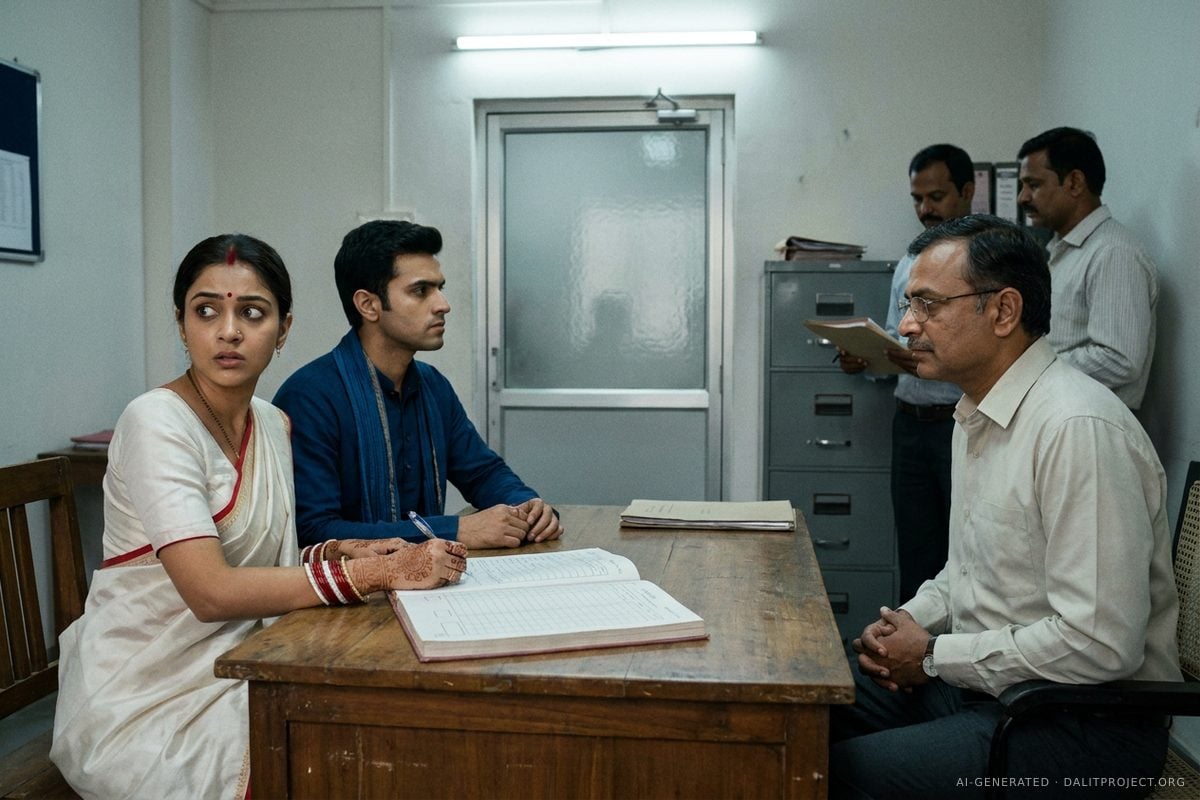
AI-generated image, The Dalit Project – Why AI image?
We had kept Sanamdeep's body at the hospital mortuary for five days while peacefully protesting and demanding action against the sarpanch and registration of appropriate charges, including provisions under the Scheduled Castes and Scheduled Tribes (Prevention of Atrocities) Act.
On 25 December 1968, 44 Dalits were burnt alive in a hut in Tamil Nadu after farm workers demanded higher wages. The landlords charged were acquitted. What happened, and why it still matters.
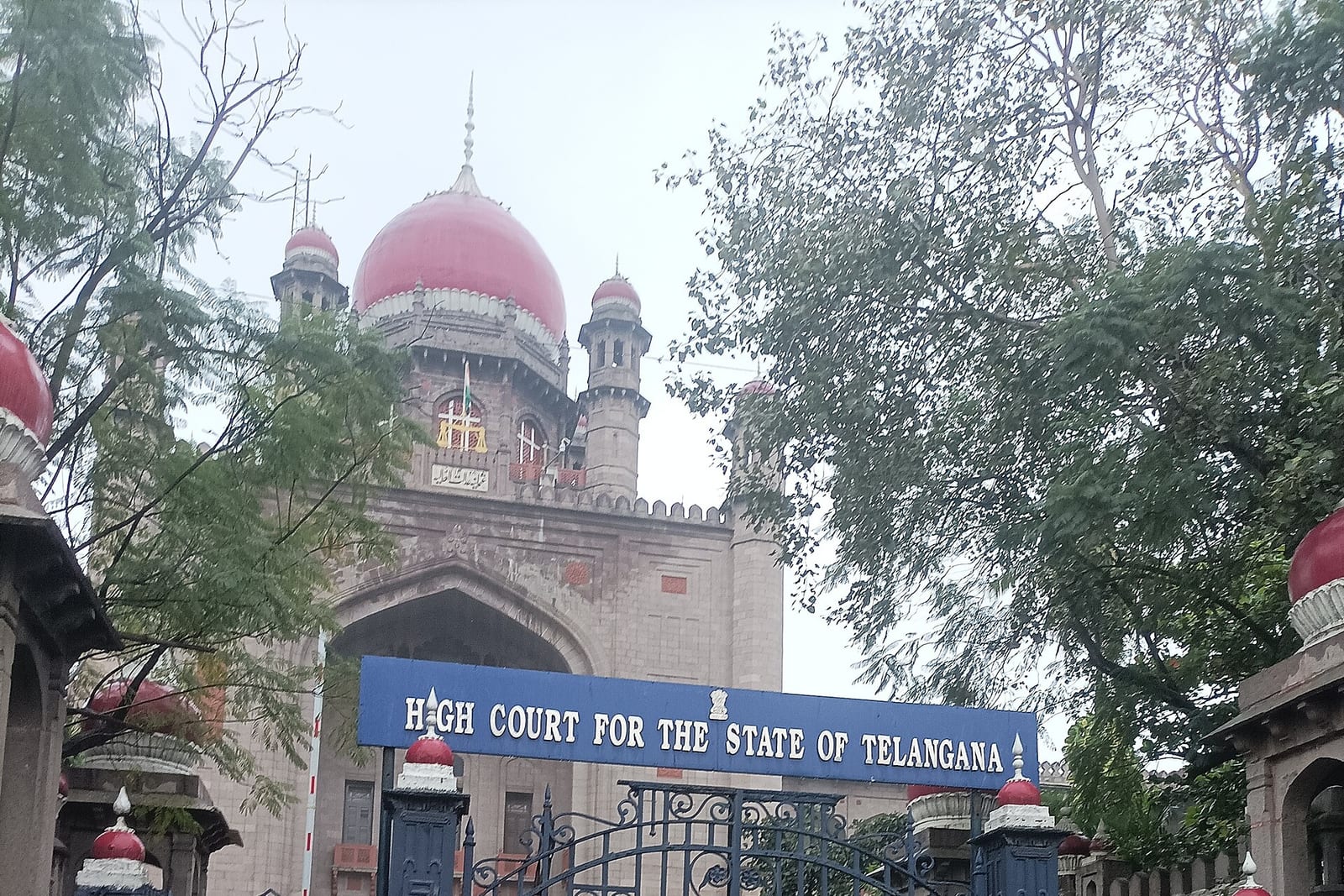
Telangana convicted in 3.7% of finished trials of crimes against Scheduled Castes in 2024, India in 33.9%. The state's SC/ST Commission reports 9,102 cases in three years and 32 people convicted.
Perumpalli's Dalits had been refused the common burial ground. When a 90-year-old man died, the question was who blocked the road and what the law required of the police who, villagers say, stood by.
the longest prison term section 7(1) of the Protection of Civil Rights Act allows for encouraging untouchability "in any form whatsoever", including by "signs or by visible representations"
Perumpalli's Dalits had been refused the common burial ground. When a 90-year-old man died, the question was who blocked the road and what the law required of the police who, villagers say, stood by.
A High Court set aside a Special Court order that accepted a police "no clue" report, said "public view" can be digital, and ordered a cyber-forensic trace.
On 25 December 1968, 44 Dalits were burnt alive in a hut in Tamil Nadu after farm workers demanded higher wages. The landlords charged were acquitted. What happened, and why it still matters.
A ritual cleansing after a Dalit official leaves treats the seat itself as polluted. In a Madhya Pradesh school, an inquiry now has to say whether that happened.
Two caste-abuse offences apply only "within public view". In one week, three High Courts applied those words to a home and three kinds of screen, and none settled the rule online.
India's 1955 law against untouchability is still on the books, but in 2024 police registered just 13 cases under it for Dalits and courts convicted in none. How it compares with the Atrocities Act.
India's Constitution bans untouchability by anyone, but the only way to enforce the ban is a criminal case. A UN committee has asked for a civil route. Nepal and South Africa show what that takes.
Sanamdeep Singh's family kept his body in a Sangrur mortuary for five days to press for Atrocities Act charges. Police removed them and oversaw the cremation, citing decay.
The Dalit M.Ed. student says faculty harassed her and held her marks down. The national commission that took up her case can demand answers, but has no power of its own to punish.
Nepal told the UN it had apologised to Dalits. No apology was passed by the Cabinet or gazetted, and a Dalit man's death in police custody was investigated only by the police.
Telangana convicted in 3.7% of finished trials of crimes against Scheduled Castes in 2024, India in 33.9%. The state's SC/ST Commission reports 9,102 cases in three years and 32 people convicted.
India's law against caste violence promises special courts and two-month trials. Khairlanji ended with no atrocity on the record; Una took almost ten years to convict five men of 41.
In 2024 India's courts finished trials in fewer than 5 of every 100 caste-atrocity cases before them, and convicted in a third of those. The Una and Dangawas verdicts show what happens to the rest.
Twenty years after a mob killed a Dalit family of four, eight men stand convicted of murder and none of an atrocity. One court even counted the absence of caste in their favour.
Police suspect Vimal Vaniya's wife's brother and two other men killed him over a marriage her family tried to undo. The Supreme Court asked Parliament for a law in 2018, and there isn't one.
A former Chief Justice says the atrocities law is misused, though rarely. The 2024 data show two states' police made more than two-thirds of the "false" closures.
Tamil Nadu's records can be read two ways: as a state that registers far fewer crimes against Dalits than most of India, or as one where few cases reach a verdict.
The 2013 Act defines a manual scavenger and, separately, hazardous cleaning of sewers and septic tanks. Workers sent into sewers fall between the two, and outside its rehabilitation list.
India's records call these deaths "hazardous cleaning" accidents, never manual scavenging, the caste-bound work a 2013 law banned. The label decides who is counted and who is owed.
Eleven years of crime tables show more caste-atrocity cases reaching court, no more trials finishing in 2024 than in 2014, and a conviction rate stuck near one in three.
A. Raju helped win equal burial rights in 2024. When he died in July 2026, he was buried only after nearly nine hours of talks, and the atrocities law no longer reaches Dalit Christians.
Courts in Odisha bailed Dalit and Adivasi accused on condition they sweep a police station. The Supreme Court struck the conditions out as caste-coloured.
The court backlog of crimes against Dalits rose to 339,853 cases in 2024, up for a third straight year. About a third of finished trials end in conviction, and in most large states far fewer.