Listen to this article
Read by an AI-generated voice · Report a mispronunciation
India’s Scheduled Castes and Scheduled Tribes (Prevention of Atrocities) Act, 1989, the country’s law against caste violence, usually called the Atrocities Act, punishes crimes it calls “atrocities” against Dalits, among the communities once branded “untouchable”, and Adivasis, India’s Indigenous peoples, when committed by people outside those groups. In law they are Scheduled Castes and Scheduled Tribes. Two of its offences deal with caste abuse in words. Section 3(1)(r) punishes anyone who “intentionally insults or intimidates with intent to humiliate” a Scheduled Caste or Scheduled Tribe member “in any place within public view”. Section 3(1)(s) punishes abuse “by caste name in any place within public view”.
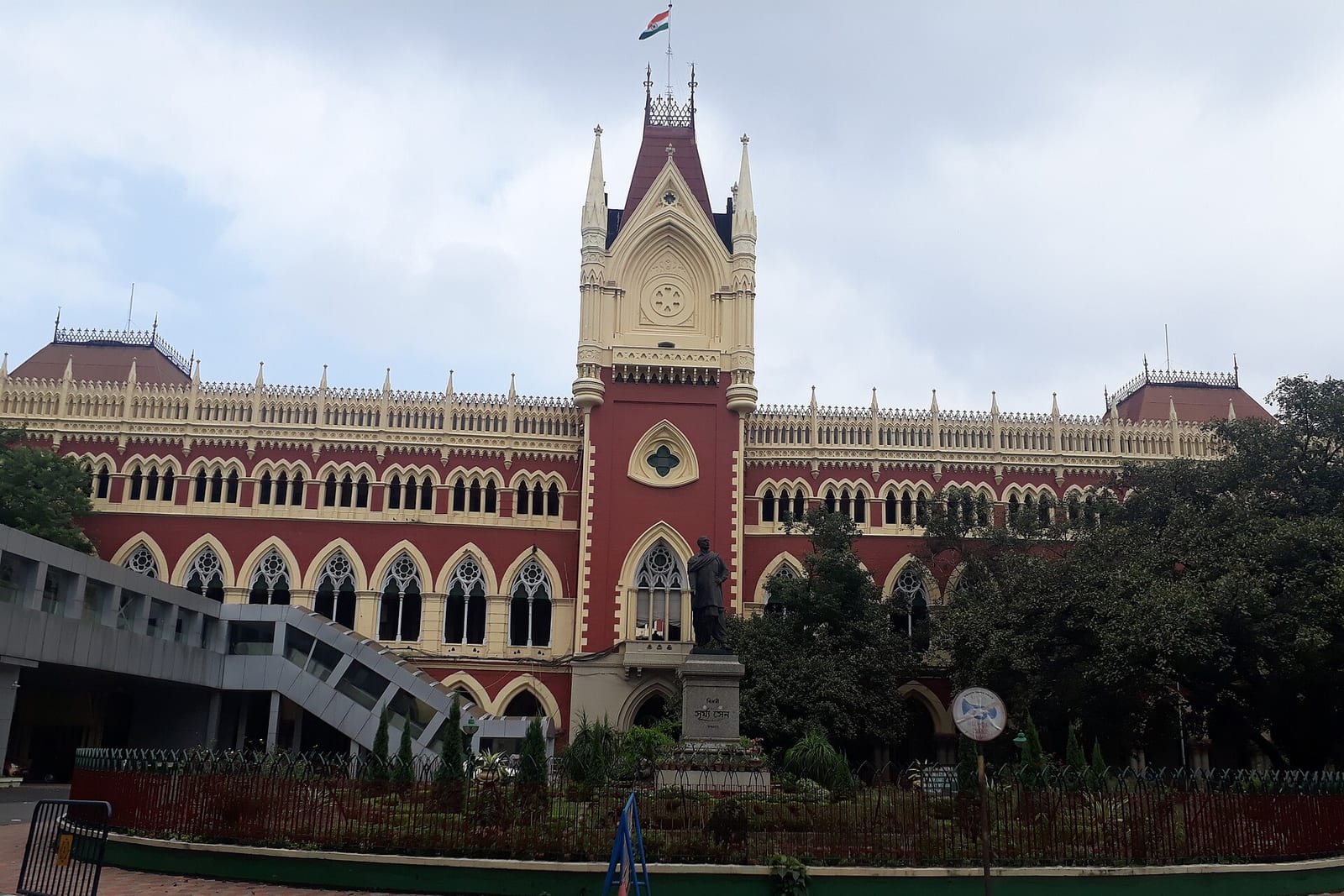
Those three words, “within public view”, decide many cases. If they are not met, there is no offence under these two sections, and unless another offence under the Act is made out, its bar on anticipatory bail, bail granted before arrest, does not apply. Between 24 and 29 September 2026, three High Courts, the top courts of Indian states and of the capital, gave four rulings that applied the test to a family home, to Facebook, to WhatsApp and to an online video.
What happened
The home (Calcutta High Court, 29 September). A Dalit woman alleged that her husband and parents-in-law taunted her at the marital home, saying they “made a mistake by taking a girl like me, who belongs to a schedule caste family”. Justice Shampa Dutt (Paul) held that “there is no material in the case diary [the police investigation record] to show that the de facto complainant was allegedly abused in public”, and quashed both proceedings against the five accused, ending them before trial.
Facebook (Calcutta High Court, 25 September). A Dalit complainant alleged that two men posted “casteist expletives targeting his caste identity” on Facebook. The police closed the case because Facebook gave them no user details, and a special court, one set up to try cases under the Act, accepted the closure. Justice Uday Kumar overturned that order, held that “public view transcends physical space into the digital domain”, and ordered further investigation with cyber-forensic staff. He did not decide whether an offence was made out.
WhatsApp (Bombay High Court, 29 September). The prosecution alleges that a man sent nude images and videos of a Dalit woman by WhatsApp to her husband and close relatives after she refused his demand for sex. Justice Y. G. Khobragade found two other offences under the Act, sexual words or acts towards a Dalit woman and a listed crime against a person known to be Dalit, made out on a first reading “because of the circulation of objectionable videos/photographs of the victim on social media like WhatsApp from his mobile, which is within the public view”, and refused anticipatory bail (Bombay High Court, Nagpur bench, Criminal Appeal 127 of 2026, 29 September 2026), also because, it held, the man had “remained absconding since the date of registration of crime”. His lawyer had argued that circulating the images on WhatsApp did not make out these offences, and that there was no caste insult in public view. Those two offences, as the Act words them, do not themselves require public view.
An online video (Delhi High Court, 24 September). A leader of the Azad Samaj Party, a political party, complained about a commentator’s video aimed at Chandrashekhar Azad, the party’s Member of Parliament for Nagina, a constituency in the northern state of Uttar Pradesh, who, the court records, “belongs to the SC [Scheduled Caste] community”. The commentator’s lawyer conceded that the video was “within public view”. Justice Saurabh Banerjee found, on a first reading for the bail application, that the video invoked “caste hierarchy and superiority” against the MP, and that the remarks were “not general or reckless/ stray”. The commentator’s lawyer argued that the remarks followed provocation by someone online; the judge rejected that, noting that any provocation was not by the MP. He refused anticipatory bail.
Why it matters
The Supreme Court’s test leaves out caste abuse in a home or office where only family, friends or colleagues are present, and courts are still working out what it means on a phone. For these two offences, whether the law reaches such abuse depends on how judges read three words. Read together, the four rulings stretch “public view” online while holding it tight at home, and settle the rule for neither.
What has the Supreme Court said?
i
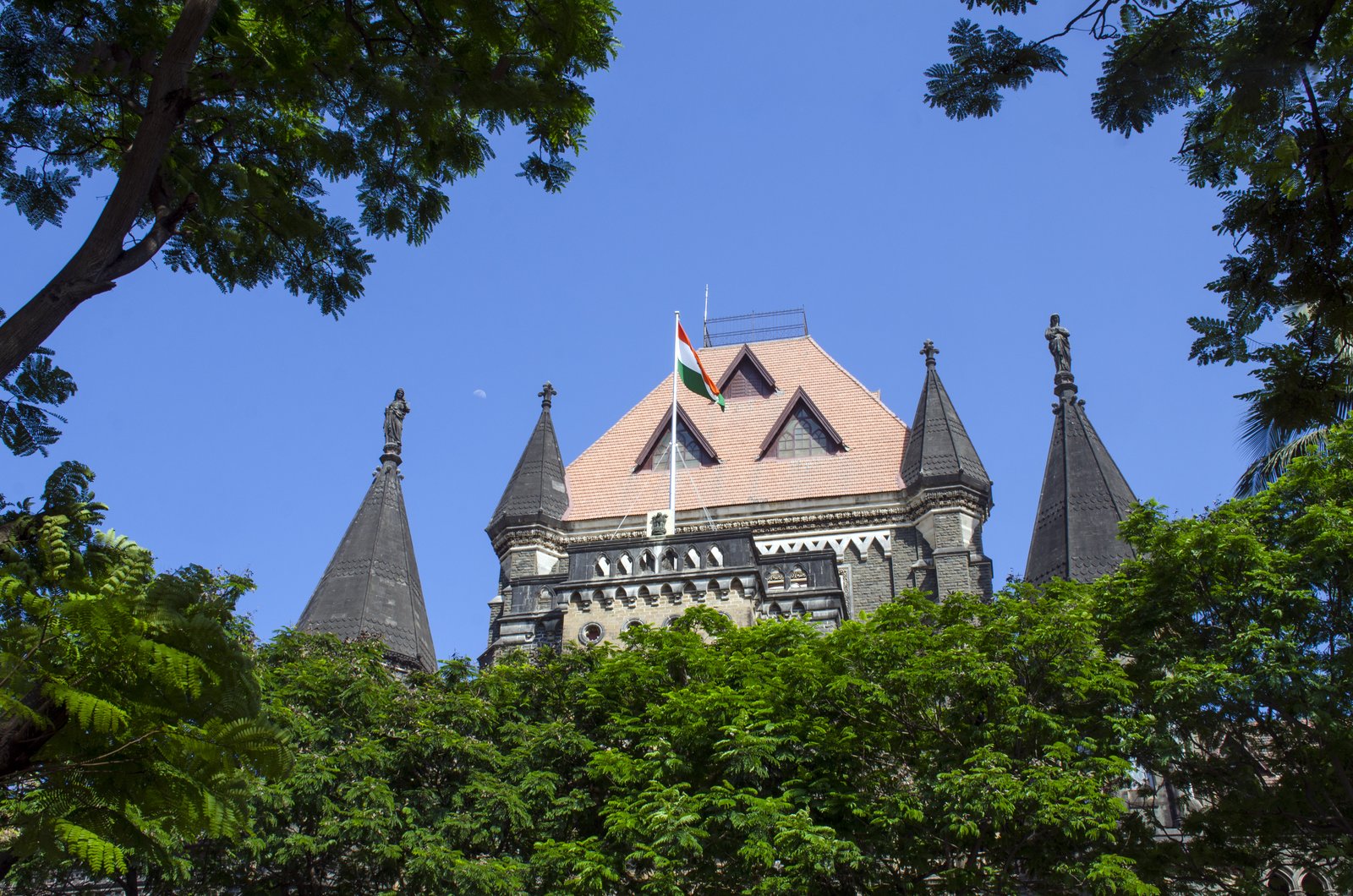
CC BY-SA 4.0Original on Wikimedia CommonsThe test comes from Swaran Singh (2008). The Supreme Court held that the law does not say “public place”, and “A place can be a private place but yet within the public view”: the gate of a house, or a lawn people on the road can see. A remark inside a building is an offence too if “some members of the public are there (not merely relatives or friends)”.
The court has applied that limit since. In Hitesh Verma (2020) it quashed a charge over abuse “within the four walls” of a building with no member of the public present. In Karuppudayar (2025) it held that “to be a place ‘within public view’, the place should be open where the members of the public can witness or hear the utterance made by the accused to the victim”, and quashed the case. In Gunjan (May 2026) it quashed a case over slurs inside a family home, calling public view “a sine qua non”, an essential condition, of both offences.
Can a post or a message be “in public view”?
The Supreme Court rulings these courts work from do not settle it. In Shajan Skaria (2024), about a YouTube video, the Supreme Court decided the case on another point: the insults had to be “inextricably linked to the caste identity” of the person insulted, and nothing showed they were.
So three of September’s four rulings speak of public view online without a Supreme Court rule to follow. Delhi recorded a concession. Calcutta stated the point in a paragraph. Bombay called messages sent to family members public view without citing Swaran Singh’s limit on “relatives or friends”, though its finding rested on offences that do not need it. None of the four rulings, as published, cites Karuppudayar or Gunjan, though both were decided earlier.
Is the test itself fair?
D. Raja leads the Communist Party of India, one of the country’s communist parties. When he took the post in 2019, the Deccan Herald reported that he was “the first Dalit to head a mainstream Communist party in the country”. After Gunjan, he said in a statement:
“A crime does not cease to be a crime merely because it occurred away from public gaze.” — D. Raja, general secretary of the Communist Party of India, statement quoted by The Mooknayak, 2026
Kailash Jeengar, who teaches at the Faculty of Law, University of Delhi, argued in The Leaflet after Hitesh Verma: “There is no intelligible difference between the wrongs committed at a place within public view and at a place not in public view.” He called for the words to be removed from the Act by an amendment.
The courts’ answer is the wording itself. The law says “in any place within public view”, not “public place”, and in Swaran Singh the Supreme Court held that “there is a clear distinction between the two expressions”.
Key terms
- Atrocities Act: the Scheduled Castes and Scheduled Tribes (Prevention of Atrocities) Act, 1989, India’s law against caste violence.
- Within public view: the condition in sections 3(1)(r) and 3(1)(s): the abuse must happen where members of the public, not only relatives or friends, can see or hear it.
- Anticipatory bail: bail granted before arrest. The Act bars it where an offence under the Act is made out on a first reading.
- Quash: to set aside a criminal proceeding, ending it before trial.
What’s next
None of the four rulings is final on guilt. The Delhi and Bombay rulings refuse pre-arrest bail on a first reading, the Facebook ruling sends a closed case back to the police, and the home ruling ends a case before trial. Watch for a case that brings the online question to the Supreme Court, and for any move in Parliament to change the words “within public view”.