Listen to this article
Read by an AI-generated voice · Report a mispronunciation
India’s Supreme Court on 4 November 2026 refused to entertain a plea that sought mandatory rotation of the legislative seats reserved for Scheduled Castes (SCs) and Scheduled Tribes (STs, India’s Adivasi communities). SCs are the communities listed in the Constitution for affirmative action, and include Dalits, the communities once branded “untouchable”. The bench said such decisions lie with the legislature and cannot be ordered by courts. The order leaves a basic question about Dalit political representation where it was: who decides which seats are reserved, and for how long.
What happened
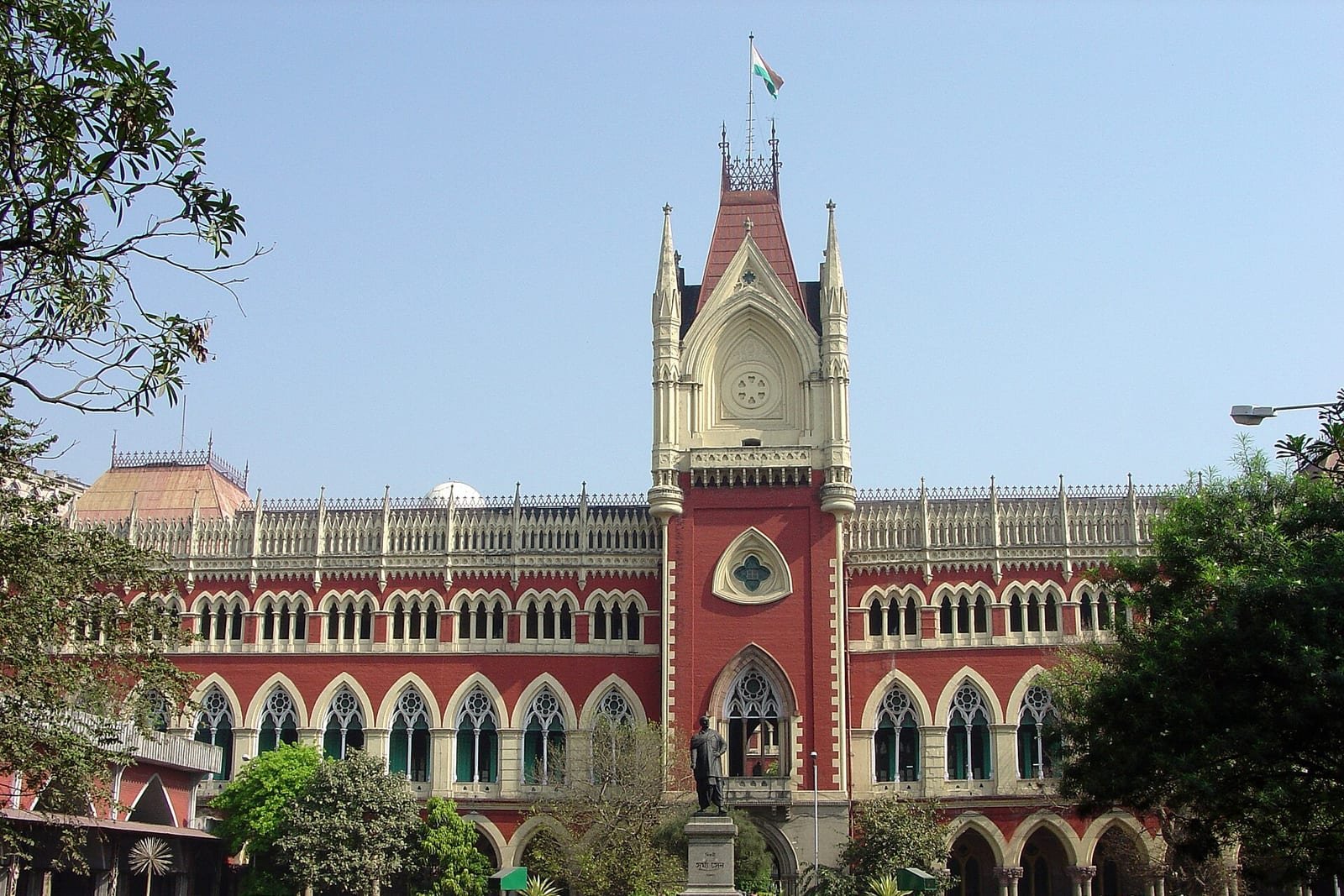
A bench of Chief Justice of India Surya Kant and Justices Joymalya Bagchi and V. Mohana declined to interfere with a judgment of the Allahabad High Court, the top court of Uttar Pradesh, that upheld Section 9(1)(c) of the Delimitation Act, 2002. That clause provides for locating reserved constituencies in areas where the SC or ST share of the population is comparatively large, The Hindu reported.
The petitioner, Jagdish Singh, is a voter in the Kadipur Assembly constituency in Sultanpur district, in the northern state of Uttar Pradesh. He argued that the seat had stayed reserved for SCs since it was created, which he said violated Articles 14, 15 and 19 of the Constitution, the guarantees of equality, non-discrimination and freedom. He also claimed the arrangement benefited a limited number of political families rather than the wider community. He asked for a system like the rotation used for panchayats (village councils) and municipalities under Articles 243D and 243T.
The bench, in its order, said the High Court had observed that “although, ideally, rotation ought to be followed, such a recourse cannot be directed by the court and is within the ambit of the Parliament”, and added: “We see no ground to take a different view.” It told the petitioner he could approach public representatives to persuade them to adopt rotation.
Why it matters
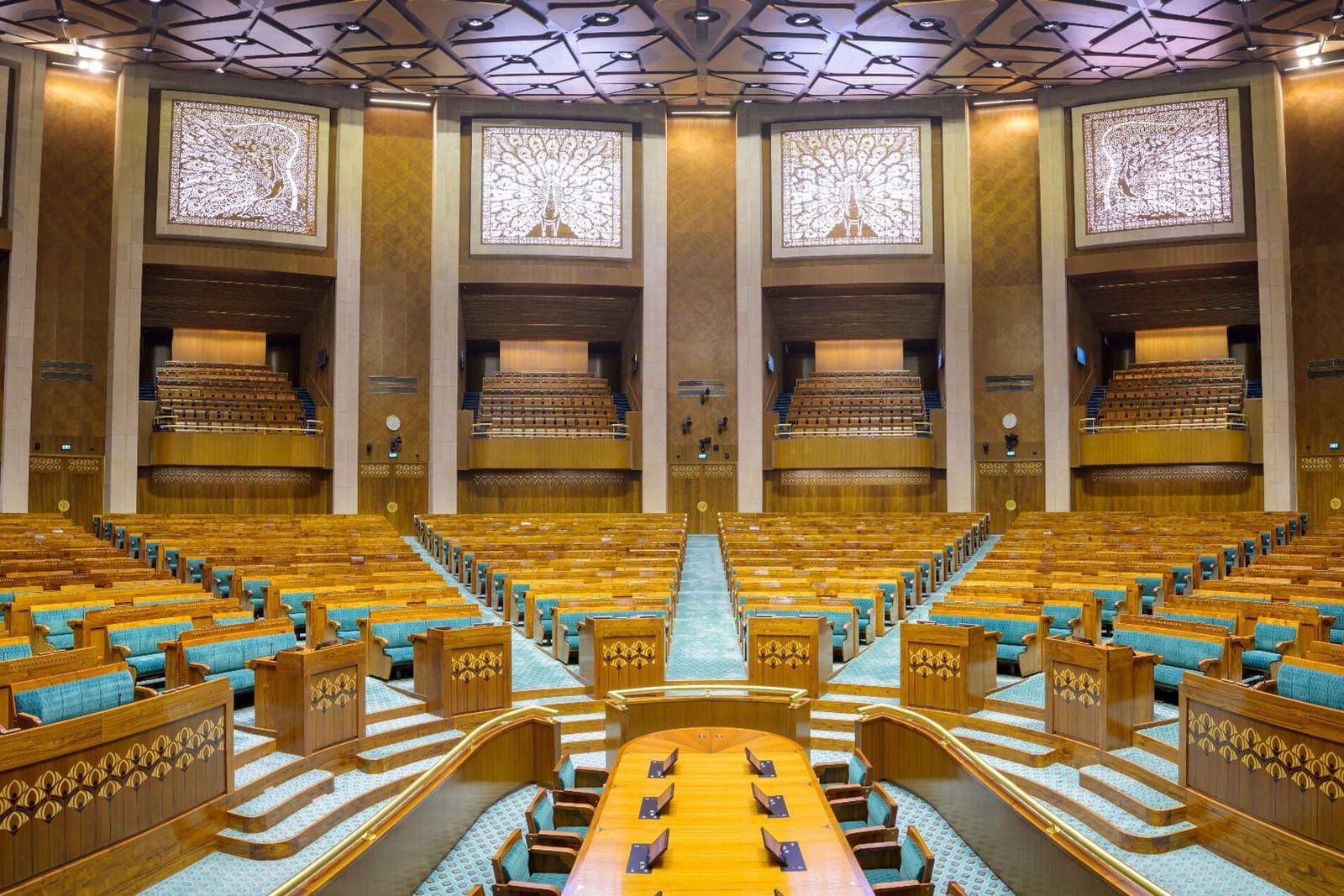
The Constitution reserves seats for SC and ST candidates in Parliament and state assemblies. Articles 330 and 332 set aside seats in the Lok Sabha, India’s lower house, and in state assemblies in proportion to the population of these communities. But they say how many seats, not which ones. The High Court held that this silence leaves Parliament free to set the method by law, which it did in Section 9(1)(c).
The result is that the High Court upheld the design of reserved constituencies and the Supreme Court declined to disturb that ruling. Both said any change to rotation is for Parliament.
Questions readers ask
Why does a reserved seat stay reserved?
Section 9(1)(c) places reserved seats in areas where the SC or ST share of the population is comparatively large, and nothing in the law requires rotation. The petitioner argued that, as a result, a reserved seat stays reserved indefinitely. The High Court noted that the constitutional articles give no method for choosing the seats.
Did the courts say rotation is a bad idea?
No. The High Court said that where SC or ST populations are comparatively larger, a candidate from those communities can get elected without the aid of reservation. It said social and political justice could be better served by rotation, which would enable SC and ST candidates to get elected even from seats where their population is comparatively low. It then held that “it is for the parliament to ponder on the issue”, and that a court cannot compel it.
What did the Supreme Court say about voters’ choices?
Justice Bagchi said that in a multiparty democracy voters are expected to choose a party for its ideology. “Who is representing that ideology becomes irrelevant,” he said, according to The Hindu, adding that this “defeats your argument”. The bench also separated the right to vote from any claimed right to contest from a particular seat, noting that candidates from outside the reserved categories, called general-category candidates, can contest from constituencies that are not reserved.
Does the claim that a few political families benefit hold up?
The petition made the claim, and the Court did not decide the case on it. The reports do not say the bench examined it, and they give no data on who has held Kadipur. The claim is a petitioner’s allegation, not a finding.
Could anyone have challenged this law at all?
The Election Commission of India, which runs the country’s elections, argued that Article 329(a), which bars courts from questioning laws on delimiting constituencies, blocked the case. The High Court rejected that objection and heard the challenge to the law’s validity, then dismissed it on the merits.
Key terms
- Delimitation Act, 2002: the law that governs how constituency boundaries are drawn and which seats are reserved.
- Section 9(1)(c): the clause locating SC/ST-reserved constituencies in areas where their share of the population is comparatively large.
- Rotation: changing which constituencies are reserved, as the petitioner noted is done for panchayat and municipal seats.
- Articles 330 and 332: constitutional provisions reserving Lok Sabha and state assembly seats for SCs and STs in proportion to population.
What’s next
The Supreme Court left the petitioner free to take his case to elected representatives. The reports do not mention any such proposal before Parliament. A change would need a new law, and Section 9(1)(c) remains in force.