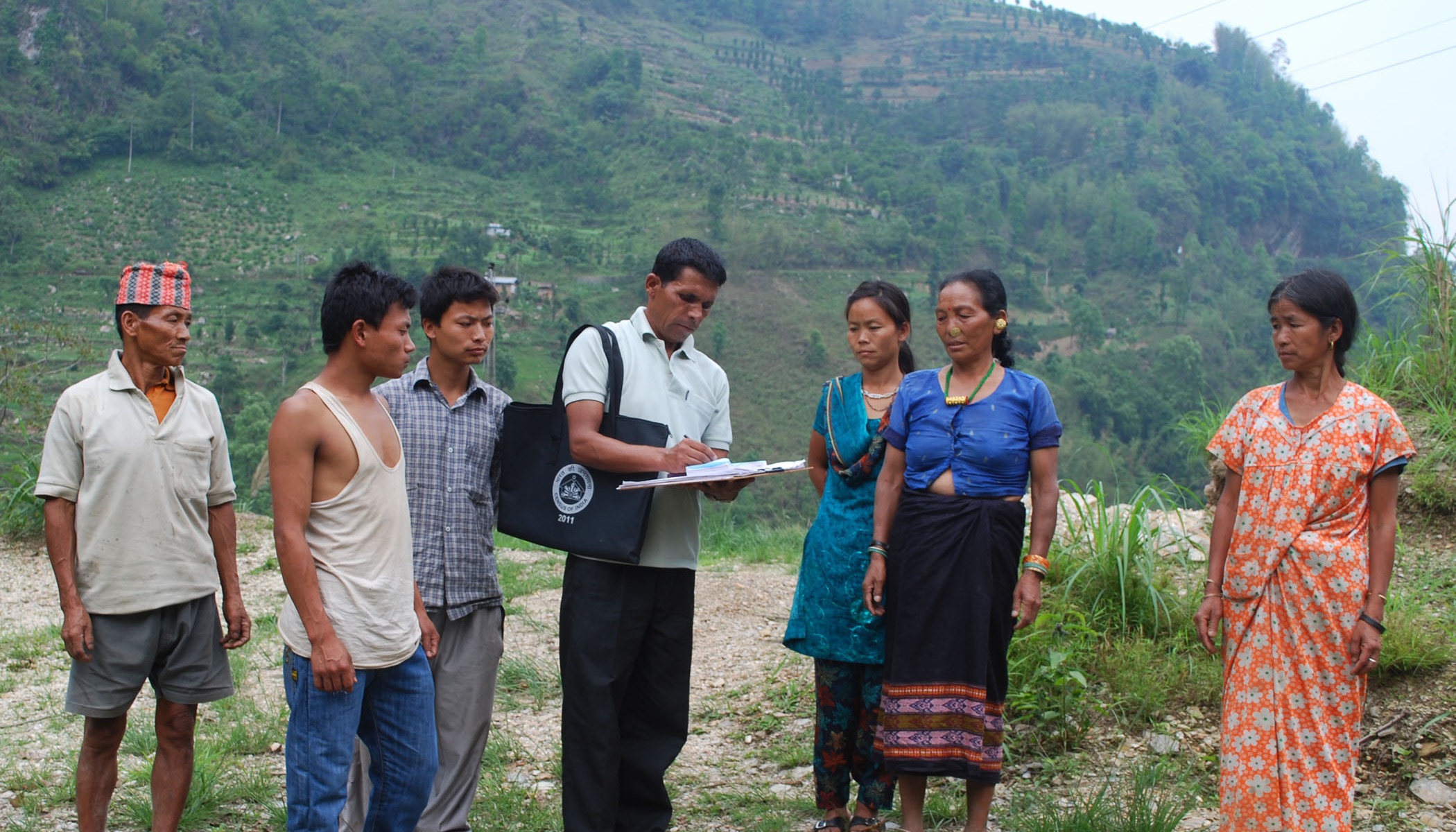
India's Caste Census Moves From Plan to Field
The open-ended caste question tested this July is now official policy. Ladakh counts first, starting this October. Here is exactly what happens between now and the first full caste count since 1931 — and what still hasn't been decided.
Self-Determination, Denied Twice Over
India's 2026 Transgender Amendment Act stripped self-identification from the 2019 law it replaced. A DBA trans and queer network's response didn't stop at trans rights — it named the denial as the same one Dalits met in 1932.
A rulebook struck down before it ran a single day
India's universities have had a national equity framework since 2012. What the UGC wrote this year was meant to replace it with something sharper — until the Supreme Court stayed it before it governed a single case.
The last time India wrote down every caste, the list became the cage
India has just pre-tested a new way of counting caste ahead of its 2027 census: an open column, where a respondent writes in their own caste name rather than choosing from a fixed list. The last time the state tried to count every caste in the country, in 1931, the fixed list it produced did not stay a research tool. It hardened into the schedules the state still governs by today.
The Conviction Gap: What NCRB's Own Data Shows About the Prevention of Atrocities Act
India's own crime-data tables show conviction rates for caste-atrocity cases barely moving in years — the real bottleneck sits far past the police station, in a court system that decides only a sliver of a fast-growing backlog.
Two counts of the same dead sanitation workers, 1.8x apart
The government told Parliament 332 people have died in sewers and septic tanks since January 2021. A civil-society group counting the same years puts the number at 593. Neither figure is fabricated. They disagree because they are not measuring the same thing — and the gap between them is where the dead who don't officially exist are.
A sit-in outlasts a promised apology, and a law still does not exist
A government that pledged Dalits a first-of-its-kind apology within 15 days of taking office let that pledge quietly lapse instead. By July, a woman had spent 96 days sitting on a Kathmandu pavement asking for something smaller and never delivered either.
A rulebook struck down before it ran a single day
India's universities have had a national equity framework since 2012. What the UGC wrote this year was meant to replace it with something sharper — until the Supreme Court stayed it before it governed a single case.
Jiski Jitni Sankhya Bhari, Uski Utni Hissedari ("Whoever's population is bigger, their share should be bigger")
— Kanshi Ram
Dalit leader, BSP founder
The last time India wrote down every caste, the list became the cage
India has just pre-tested a new way of counting caste ahead of its 2027 census: an open column, where a respondent writes in their own caste name rather than choosing from a fixed list. The last time the state tried to count every caste in the country, in 1931, the fixed list it produced did not stay a research tool. It hardened into the schedules the state still governs by today.
Had there not been reservation in education, I would have remained somewhere else.
— Chandra Bhan Prasad
Dalit journalist and writer
Distinct caste names India's 2011 census recorded in its open-ended count — and never released
A side event in Geneva, and the fight over a category
Caste discrimination has never had its own line in international human rights law; it has always been argued in under someone else's, usually race or descent. A side event at the UN Human Rights Council just tested whether that is about to change.

Caste is not something Indians consciously carry abroad—but it travels with them as part of their cultural instinct.
— Suraj Yengde
Dalit scholar and author
The year Seattle became the first U.S. city to ban caste discrimination
The Word Disappears. The System Remains.
Nobody says "caste" at the dinner table or the job interview anymore. Something still shapes who sits where and who gets called back. Caste didn't leave those rooms — it learned to speak in a different grammar.
On the 26th of January 1950, we are going to enter into a life of contradictions. In politics we will have equality and in social and economic life we will have inequality... How long shall we continue to live this life of contradictions?
— B.R. Ambedkar
Architect of India's Constitution
The Conviction Gap: What NCRB's Own Data Shows About the Prevention of Atrocities Act
India's own crime-data tables show conviction rates for caste-atrocity cases barely moving in years — the real bottleneck sits far past the police station, in a court system that decides only a sliver of a fast-growing backlog.
My birth is my fatal accident. I can never recover from my childhood loneliness.
— Rohith Vemula
Dalit PhD scholar, Hyderabad
Of India's 300,303 pending Scheduled Caste atrocity cases reached a verdict in 2022
A rulebook struck down before it ran a single day
India's universities have had a national equity framework since 2012. What the UGC wrote this year was meant to replace it with something sharper — until the Supreme Court stayed it before it governed a single case.
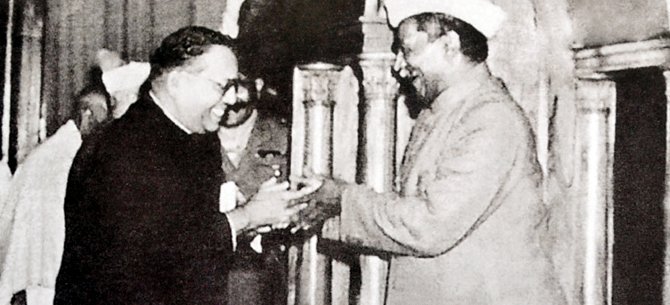
If anyone throws his glance on the Indian physical and social world as a spectator he will undoubtedly find this country a home of glaring inequality.
— B.R. Ambedkar
Architect of India's Constitution
SC-reserved teaching posts vacant across India's central universities
Two counts of the same dead sanitation workers, 1.8x apart
The government told Parliament 332 people have died in sewers and septic tanks since January 2021. A civil-society group counting the same years puts the number at 593. Neither figure is fabricated. They disagree because they are not measuring the same thing — and the gap between them is where the dead who don't officially exist are.
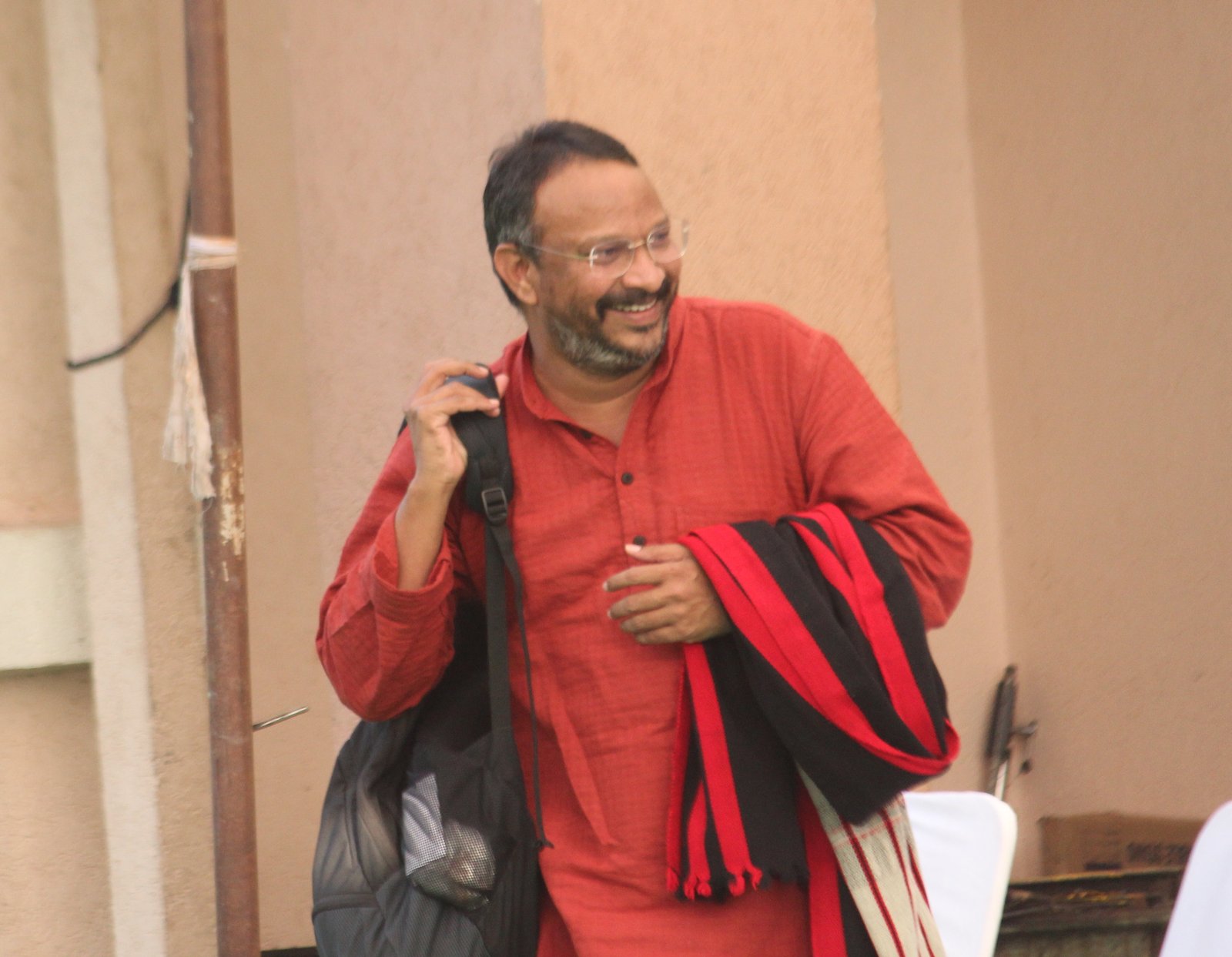
Caste System is not merely division of labour. It is also a division of labourers.
— B.R. Ambedkar
Architect of India's Constitution
Civil-society count (593) of sewer and septic-tank deaths since 2021, versus the government's own count (332)
The cockroach and the Constitution
India's biggest youth movement is led by a Dalit founder who never mentions caste, and carries Ambedkar's biography to his protests. Both facts matter.

Untouchability has been abolished by law but shades of it remain in the ingrained attitudes nurtured by the caste system.
— K.R. Narayanan
First Dalit President of India
Newsroom leadership roles held by a Scheduled Caste or Scheduled Tribe journalist
Self-Determination, Denied Twice Over
India's 2026 Transgender Amendment Act stripped self-identification from the 2019 law it replaced. A DBA trans and queer network's response didn't stop at trans rights — it named the denial as the same one Dalits met in 1932.

We are already divided on the basis of caste. I'm only centrestaging our lived realities.
— Ruth Manorama
Dalit women's rights activist
Daily wage for the same paddy-transplanting work — Dalit women vs. men, one Uttar Pradesh village
A FAccT paper reframes caste bias in AI images as relational, not categorical
A paper presented at this year's ACM Conference on Fairness, Accountability, and Transparency argues that the standard method for auditing text-to-image models for caste bias, checking one demographic category at a time, measures the wrong thing.
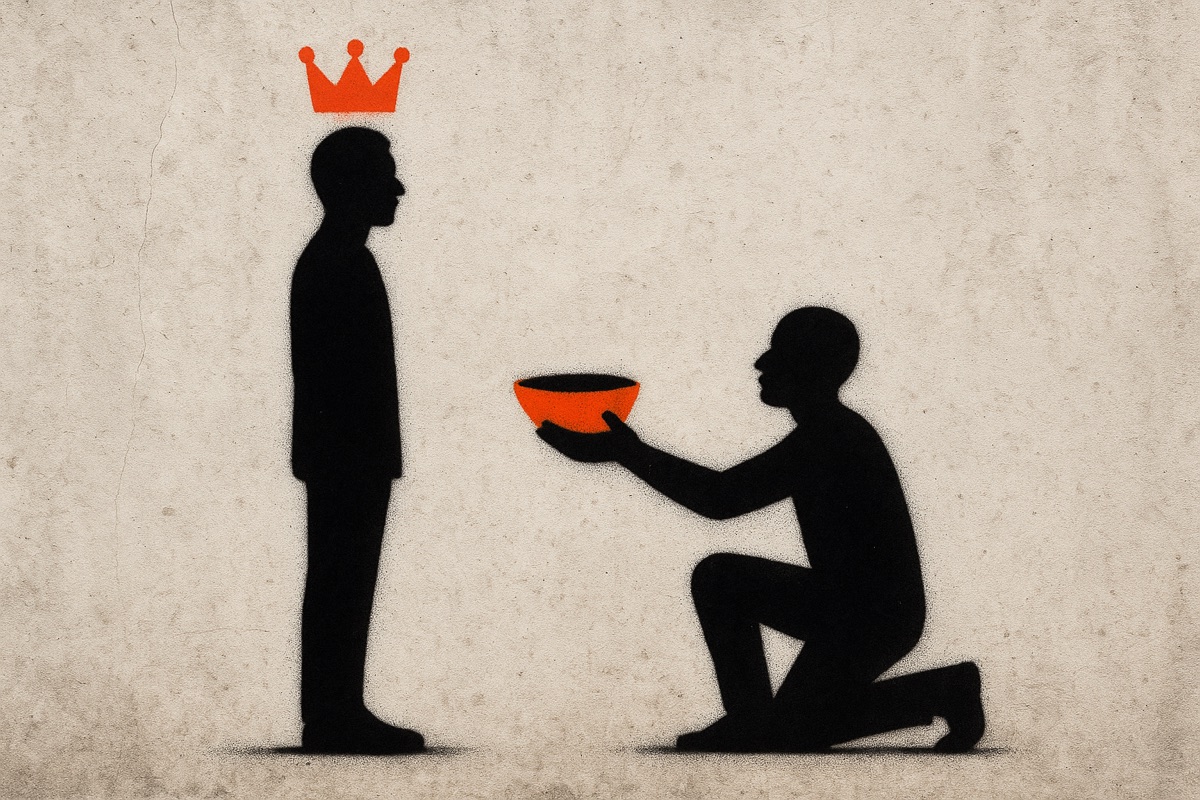
The only way to survive these social structures is to hide.
— Yashica Dutt
Dalit journalist and author
Sharankumar Limbale becomes the first Dalit writer to win the Saraswati Samman, India's top pan-language literary honor
Caste Cannot Be Reformed. It Can Only Be Annihilated.
A decade after Rohith Vemula's death, India's higher-education regulator tried to institutionalize protection for Dalit students. The Supreme Court stayed it as unconstitutionally vague within sixteen days — proof, not disproof, of what Ambedkar argued ninety years ago.
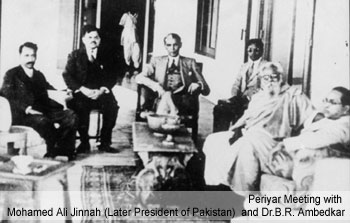
While all men are born as equals, to say that Brahmins alone are the highest and all others are low as Pariah is sheer nonsense.
— Periyar E.V. Ramasamy
Self-Respect Movement founder
Delhi landlords' response rate to upper-caste vs. Muslim rental applicants — Dalit seekers face comparable refusal
A sit-in outlasts a promised apology, and a law still does not exist
A government that pledged Dalits a first-of-its-kind apology within 15 days of taking office let that pledge quietly lapse instead. By July, a woman had spent 96 days sitting on a Kathmandu pavement asking for something smaller and never delivered either.
I cried when the resolution was passed. Because it was personal. I had experienced caste discrimination many a times on campus.
— Prem Pariyar
Nepali Dalit activist
Of Nepal's Parliament is Dalit, against roughly 13% of the population it represents