Constitutional lawyers like to distinguish between rights that are “self-executing” and rights that require machinery. The distinction sounds technical. In Kottapalayam, a village in Tamil Nadu’s Tiruchy district, it can be measured in days: specifically, the three days that the body of A. Raju, a retired schoolteacher, waited for burial in a cemetery a court had already ruled he was entitled to.
Raju was Dalit (a member of the communities once branded “untouchable,” who sit at the bottom of South Asia’s caste hierarchy) and Catholic, a combination that is common in India but awkward for institutions on every side. The common cemetery, barely 300 metres from his home, had long functioned as the exclusive preserve of a dominant caste; no Dalit Christian had been buried there before. A civil suit filed in 2014 produced a District Munsif Court decree in August 2024, affirming that Dalit Catholics have equal burial rights and that no obstruction should be permitted. The decree was two years old when Raju, whose son serves as a Catholic priest in Italy, died on July 17 of age-related illness. His family refused to accept the alternative dominant-caste residents proposed: burial in the segregated cemetery attached to St Sebastian’s Church instead of the common one 300 metres away. Only after negotiations led by the Musiri Revenue Divisional Officer late on Sunday night (with the burial initially framed as a “one-time exception”) did the funeral procession move, after midnight, under police watch.
A one-time exception to a permanent decree is a curious legal object. It is worth pausing on what it implies: that in the gap between a court and a village, equality is still being treated as a favor to be negotiated, corpse by corpse.
The numbers give the story its weight. India is home to roughly 200 million Dalits. Christians are a small minority of the country (under 3 per cent), but Dalits are widely estimated to form the majority of Indian Christians, a fact that sits uneasily with the church’s official teaching that baptism dissolves caste. It has not. In Kottapalayam, Dalit parishioners allege the discrimination extends well beyond the graveyard: they say the annual festival procession of St Mary Magdalene Church skips their streets, that they are kept out of parish councils, barred from carrying statues, assigned a separate hearse, and that Dalit bodies are not allowed inside the church for final prayers, while dominant-caste bodies are. In July 2025, Dalit Christians boycotted the church’s annual festival and raised black flags at the district collectorate in protest. A. Kathir, a Dalit rights defender who has spent two decades documenting caste atrocities across Tamil Nadu as executive director of the Madurai-based organization Evidence, responded to Raju’s case by stating the demand plainly:
“a single mass, single burial and no discrimination in conducting the rituals.”
One cemetery, used the way a common cemetery is supposed to work.
The obvious villain in this account is the village’s dominant caste. But the argument flows in more than one direction. The Catholic hierarchy (the parish falls under the Diocese of Kumbakonam, heir to 16th-century Jesuit missions) had failed for decades to enforce equal access to a cemetery designated for all Catholics, effectively outsourcing its moral theology to local custom. The Indian state, meanwhile, formally abolished untouchability in 1950 and made it a punishable offence; social observers note that the practice persists in subtler forms across village India. And Dalit Christians occupy a further anomaly of the state’s own making: because official “Scheduled Caste” status (the gateway to affirmative-action protections) is largely restricted to Dalits who remain Hindu, Sikh or Buddhist, those who converted to Christianity or Islam can find themselves discriminated against as Dalits while lacking the fullest legal armor against that discrimination.
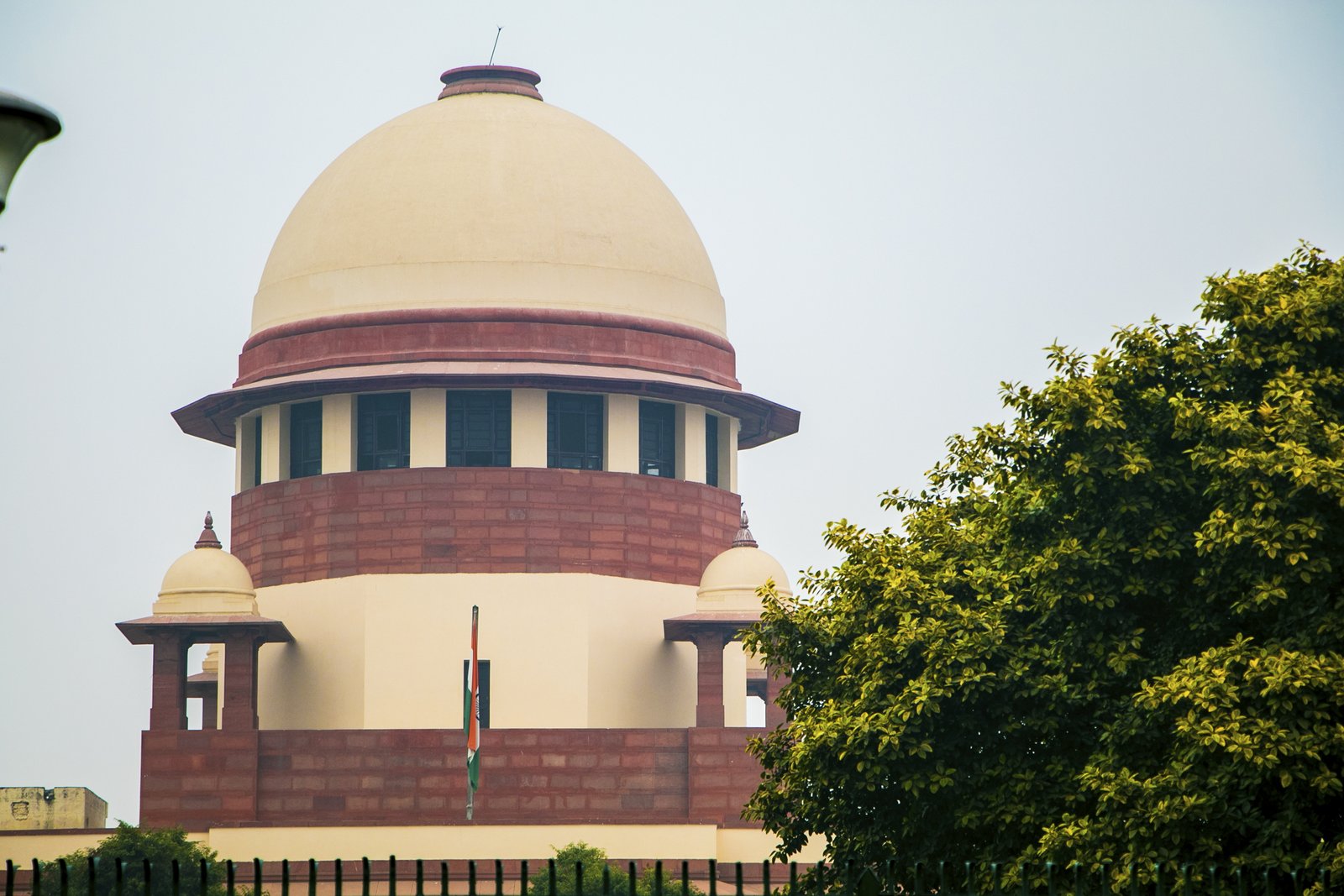
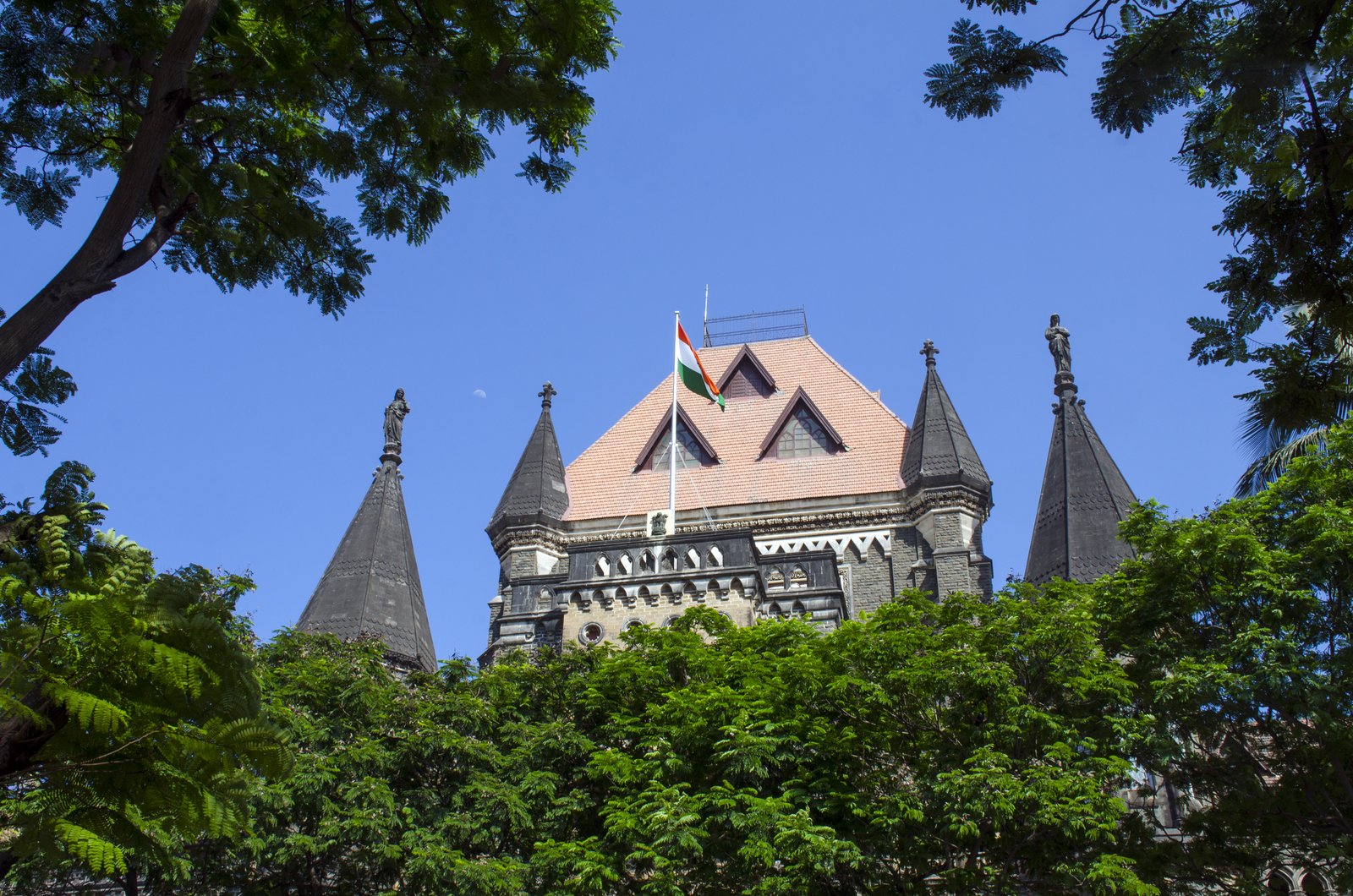
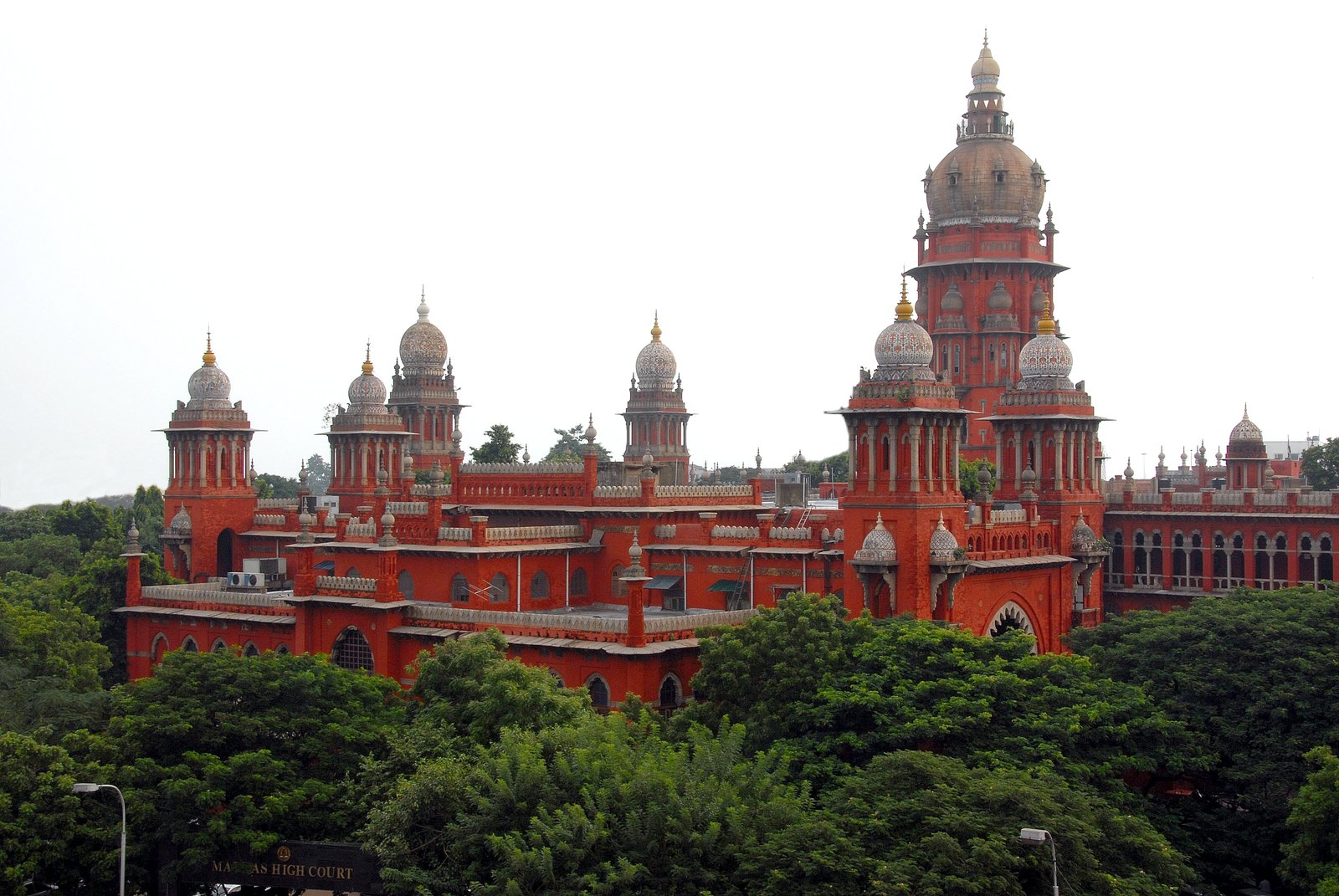
The courts, to their credit, have not been silent. In February 2025, a Supreme Court bench of Justices P.S. Narasimha and Manoj Misra issued notice on a petition by Kottapalayam’s Dalit Catholics alleging untouchability and caste atrocities, in violation of a long list of constitutional articles. A year later, the Madras High Court ruled in a separate case that denying marginalized people access to a public burial or cremation ground is “not just discriminatory” but amounts to practising untouchability, inviting criminal action. Father Z. Devasagaya Raj, former secretary of the Catholic bishops’ office for Dalits, called it a historic judgment and urged officials to take note.
Yet here is the second turn: the jurisprudence keeps accumulating, and the outcomes keep depending on individual families’ stamina. In Chhattisgarh in January 2025, a Christian man’s body lay in a mortuary for weeks while his son’s plea for a village burial travelled to the Supreme Court, which split (one justice for the common ground, one against) and ultimately directed burial in a Christian cemetery in another village. Raju’s family held out for three days and won a grave 300 metres from home. The pattern is consistent: the right exists in the abstract; its exercise requires a grieving family willing to fight, in public, at the worst possible moment, with no guarantee the next family will not have to fight again.
Nor is this dynamic a South Asian peculiarity, which is why it deserves a global readership’s attention. Caste has followed migration into diaspora institutions (into Silicon Valley workplaces, British universities, Gulf labor camps), and Western legal systems are only beginning to decide whether their anti-discrimination frameworks cover it. The Kottapalayam case poses the question those jurisdictions will eventually face in their own idiom: what is an equality guarantee worth if enforcement is left to the discriminated? Americans familiar with the decade of “massive resistance” that followed Brown v. Board of Education, a landmark ruling honored mainly in the breach until federal machinery arrived, will recognize the shape of the problem.
What would close the gap in Tamil Nadu is not another ruling restating the principle. The principle has now been stated by a village munsif court, the Madras High Court and, implicitly, the Constitution itself for 76 years. What is missing is machinery that acts on a decree without a body waiting on it: contempt proceedings that bite, administrative enforcement that does not require midnight negotiation, and a church hierarchy willing to treat its own cemeteries as its own responsibility.
The deeper forces here are not going away. Dalit assertion is rising, organized through the courts, the diaspora and digital networks; dominant-caste control of village institutions is eroding but entrenched; and religious hierarchies are caught between doctrine and their paying congregations. Raju is buried. The wall his neighbors built around the cemetery, by most accounts, still stands. And the question of who may lie on which side of it, in India and wherever caste has followed, will keep being settled the way Raju’s was: one family at a time, at the worst possible moment.