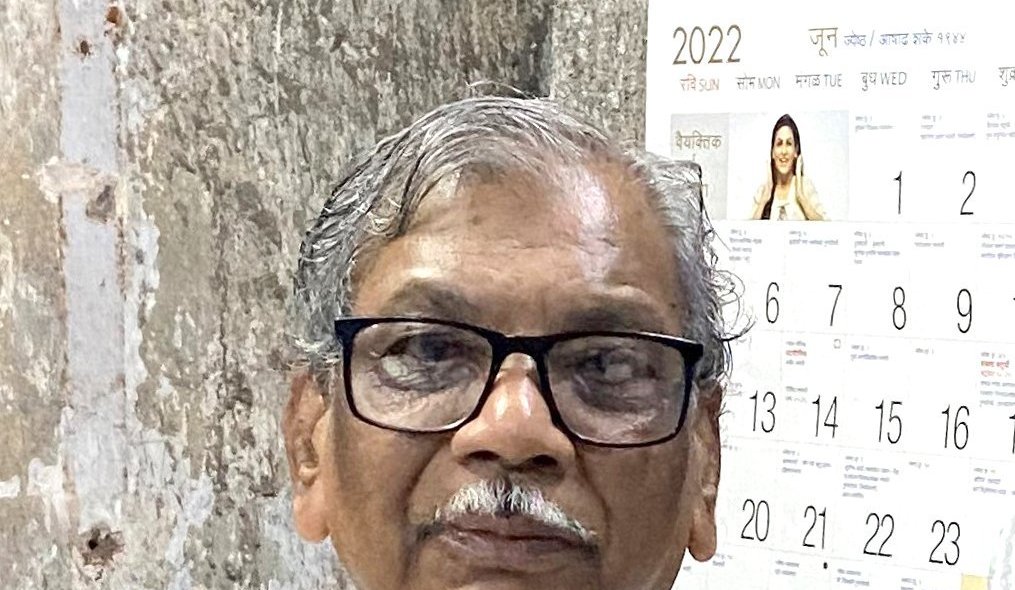
Poomani, born Pulithurai Manickavasagam, died at 79; his death and Tamil Nadu’s decision to accord him state honours were reported on 12 July 2026. He wrote in the tradition of “karisal” literature, fiction rooted in the black cotton soil of Tamil Nadu’s dry southern belt, the Madurai-Tirunelveli tract where drought, land, and caste hierarchy have long pressed against one another in ways the state’s wetter regions rarely have to reckon with in the same terms. His fiction chronicled caste and rural Tamil Nadu directly, without the softening a more urban readership might have preferred.
The Sahitya Akademi Award, India’s national academy of letters, is not handed out for regional popularity. It is the country’s clearest signal that a writer working in a single Indian language has produced work of national literary standing, and Poomani held it. That matters for calibrating what follows: he was not a folk curiosity discovered late by cinema. He was already a serious writer when a film found him.
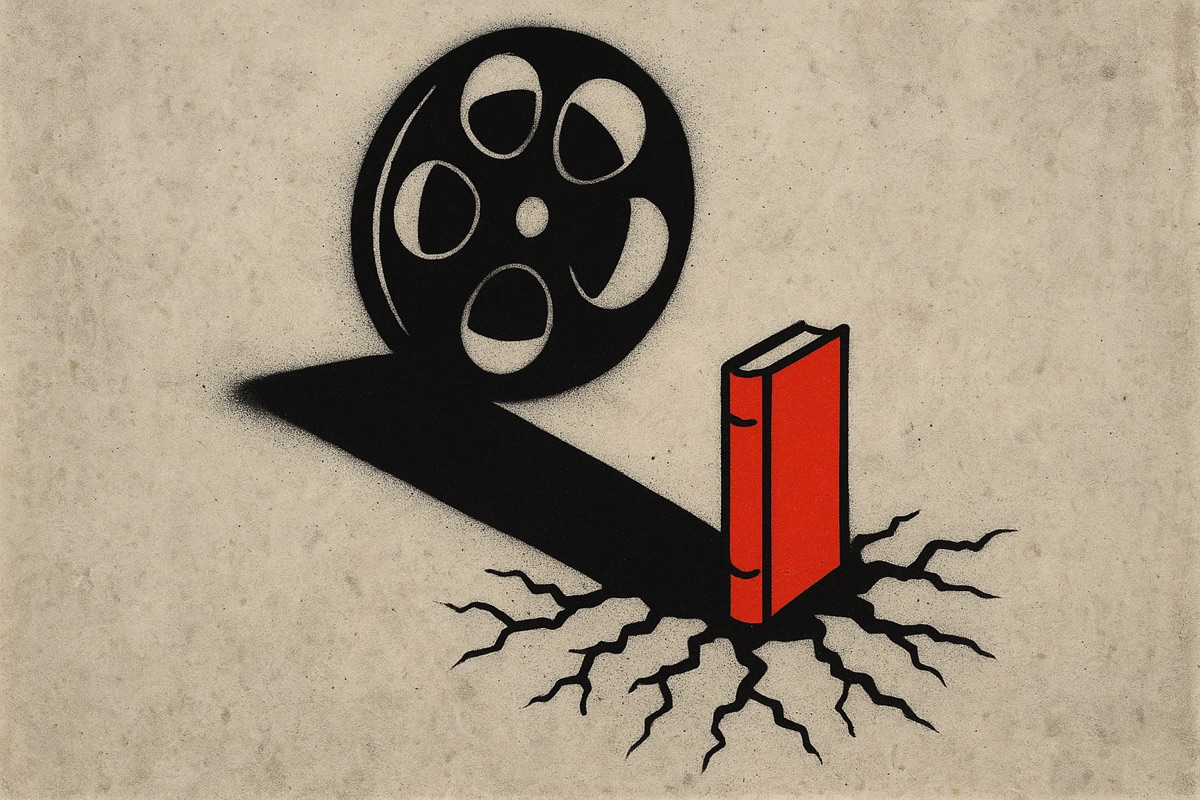
The novel most likely to be named alongside his death, “Vekkai” (“Heat”), is now inseparable in global memory from “Asuran,” the 2019 film it became. That is worth sitting with rather than skating past. A regional-language novel, however honoured at home, does not travel the way a film travels; cinema has a distribution network literature in translation can only envy, and it is almost certainly the film, not the book, that put Poomani’s name in front of readers outside Tamil Nadu at all. That is not a complaint about cinema. It is a fact about how attention moves.
But an adaptation is translation twice over: once by a screenwriter compressing a novel into two hours of image and dialogue, and again by the medium itself, which shows what prose can only describe and must therefore choose, cut, and simplify to do it. What survived that compression from “Vekkai” and what did not is a critical question worth a reader’s own comparison. That comparison isn’t attempted here: the record on offer is the news of Poomani’s death and the fact of the adaptation, not a reading of the novel against the film.
What can be said plainly is that the novel exists independently of anything it became, in Tamil, on its own terms, written by a man the country’s own literary establishment had already decided was worth its highest honour before a director ever optioned the rights. A writer’s death is usually the moment his work gets read only through whatever made him famous to people who never read him. That is its own loss, alongside the larger one.
State honours for a writer who spent decades writing about the state’s own rural undercurrents are also what they are: recognition, and, as with any government marking any writer, a claim made on him once he is no longer present to object to its terms. The dry districts Poomani wrote about have not stopped producing the disputes over land and standing that ran through his fiction. What changes, with his death, is only who is left to write them down.