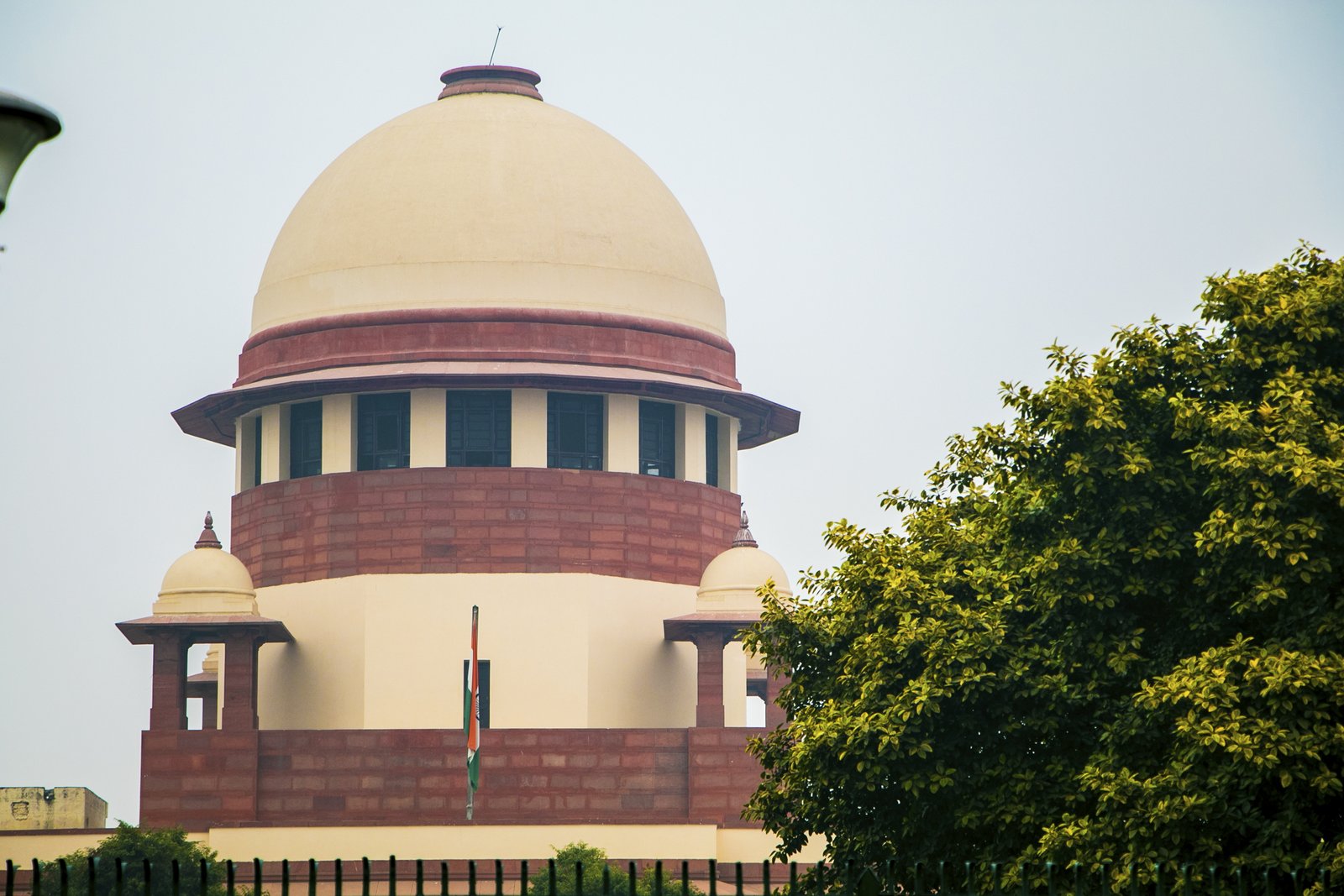
India’s universities have had a national equity framework since 2012. What the University Grants Commission wrote this year, the Promotion of Equity in Higher Education Institutions Regulations, 2026, was meant to replace it with something sharper: a definition of caste-based discrimination naming Scheduled Caste, Scheduled Tribe, and Other Backward Class students specifically, with its own complaints mechanism, rather than folding caste into a generic disciplinary category. Notified January 13, 2026, it had not governed a single admissions cycle or disciplinary hearing when, on January 29, the Supreme Court stayed it, calling the regulations “vague” and “capable of misuse,” and ordered the 2012 rules back into force in the meantime. Students at Delhi University and Banaras Hindu University spent February marching under the banner of an “Equity March,” demanding the 2026 rules be reinstated.
Precision about what was stayed matters here. The 2026 regulations did not create a new crime. They created a mechanism: something a Dalit or Adivasi student facing harassment could point to, a complaints process with a named category and a procedure behind it, instead of relying on a university’s internal disciplinary committee to decide, case by case and often quietly, whether what happened counted as discrimination at all. That mechanism is now paused, and the older 2012 framework has taken its place, one that never named caste specifically. The students who marched are asking for a more specific, caste-named protection, one that took nearly a year to draft after the Supreme Court itself ordered the UGC to write it, to be restored rather than left to a redraft with no deadline.
The Court’s stated concerns deserve an honest hearing rather than a dismissal, and they were more specific than a single line about misuse. Chief Justice Surya Kant and Justice Joymalya Bagchi framed four questions of law: whether defining caste-based discrimination only for SC/ST/OBC students holds together procedurally without a matching provision for general-category students alleging bad-faith complaints; whether the regulation’s use of “segregation” for hostel and classroom allocation risks an unconstitutional “separate but equal” framing; whether dropping ragging as a named category, present in the 2012 rules, leaves students facing that specific harm with less recourse than before; and whether the new definition disturbs the existing SC/ST/OBC sub-classifications. One fact sharpens the first of those questions: the 2025 draft of these regulations included a provision for disciplinary action against false or malicious discrimination complaints, and the final 2026 version dropped it. That is not a hypothetical gap invented by the Court. It is a safeguard that existed in an earlier draft and was removed before notification, and fixing it is a different task from freezing the whole framework while the Centre decides what to do next.
A gap in the drafting is not the same claim as a rule already being misused. The Court stayed the regulations before they processed a single complaint, which means the stay was decided on the rule’s text and its hypothetical future, not on anything it had done. Compare that to the record the regulations were written to answer: campus caste discrimination in India does not lack documentation. The Supreme Court ordered the UGC to draft these very regulations while hearing a petition from the mothers of Rohith Vemula and Payal Tadvi, students whose 2016 and 2019 deaths remain the reference points for why a rule like this exists at all. A framework built to answer that record was paused on the strength of what it might one day enable, not on anything it did. That asymmetry, a specific documented past weighed against an imagined future, is the complaint under the Equity March banner, whether or not the marchers phrased it that way. Nitish, a former JNUSU president, put it plainly at the Delhi University march:
“After years of blood and toil on the streets, we forced the UGC to introduce regulations that finally spoke the language of accountability. The stay on these guidelines is a clear indication that casteism remains deeply entrenched within the highest echelons of our institutions.”
On August 20, seven months on, the Centre told the Supreme Court that the 2026 regulations are under reconsideration, not withdrawn, not defended as written, but being redrafted while the four questions of law sit open. Solicitor General Tushar Mehta informed the bench of that position, and the Court adjourned for four weeks, ordering the UGC to file a comprehensive counter-affidavit by roughly September 17 and giving petitioners two further weeks for any rejoinder. That is a difference from a total vacuum: the 2012 rules never stopped operating, and they are the version that still names ragging as a protected category. It is not the same as saying nothing was lost. The 2012 framework does not name caste-based discrimination on its own terms, and carries no equivalent of the SC/ST/OBC-specific complaints mechanism the 2026 version briefly put in place. Seven months after the stay, with the UGC’s own counter-affidavit still due rather than filed, the more specific protection remains paused, the older and blunter one is the only national tool students have, and the caste-named gap the Equity March pointed to sits exactly where the Court left it in January.