Reservation policy, caste enumeration and census, welfare-scheme targeting.
Showing —
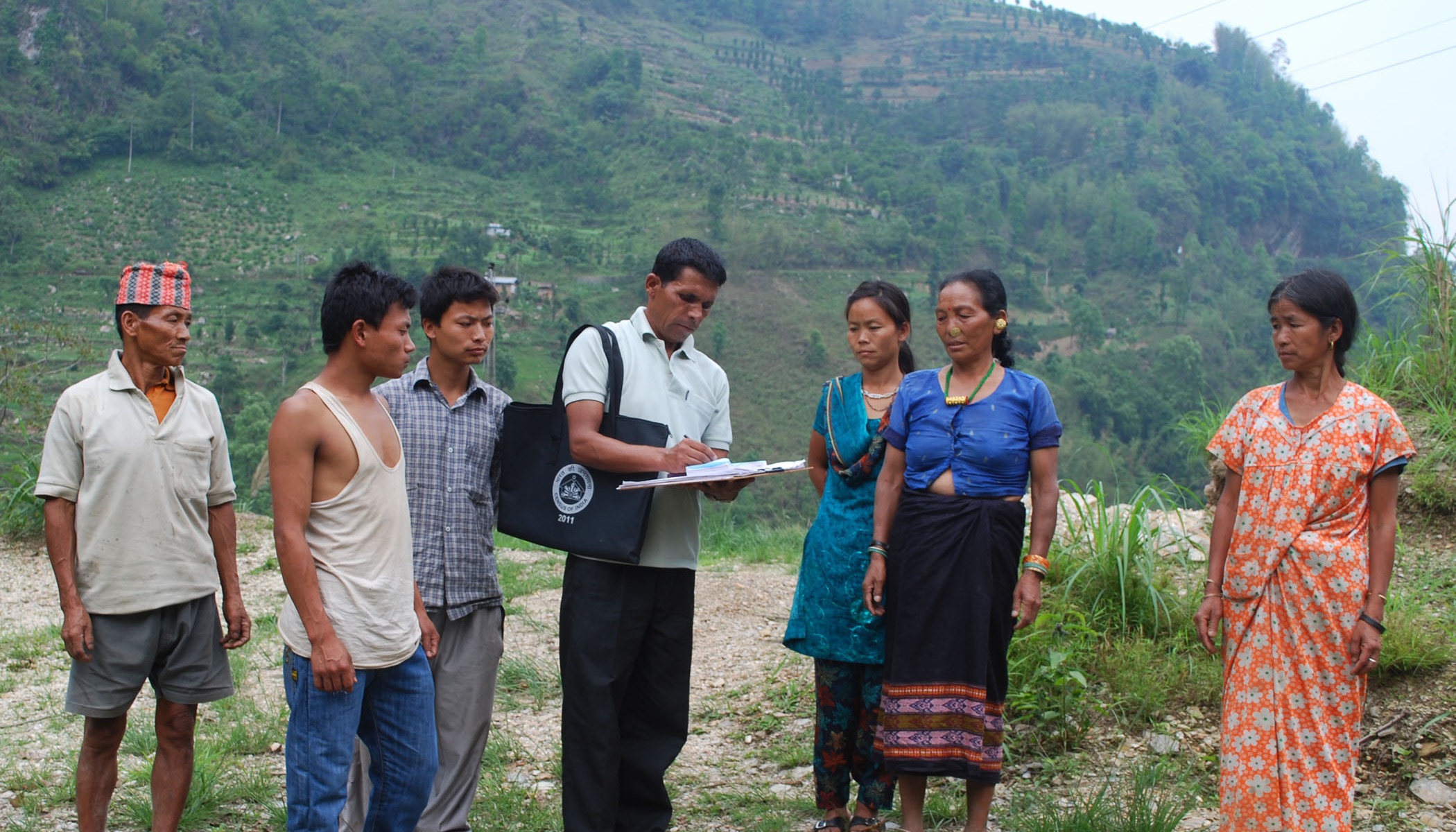
A Census of India 2011 enumerator at work in West Sikkim. Census 2027's own methodology — the open column this piece explains — grew directly out of what went wrong the last time an enumerator's pen tried to record caste at this scale. — MoSPI, Government of India / Wikimedia Commons, GODL-India
The open-ended caste question tested this July is now official policy. Ladakh counts first, starting this October. Here is exactly what happens between now and the first full caste count since 1931 — and what still hasn't been decided.
India's universities have had a national equity framework since 2012. What the UGC wrote this year was meant to replace it with something sharper — until the Supreme Court stayed it before it governed a single case.
India has just pre-tested a new way of counting caste ahead of its 2027 census: an open column, where a respondent writes in their own caste name rather than choosing from a fixed list. The last time the state tried to count every caste in the country, in 1931, the fixed list it produced did not stay a research tool. It hardened into the schedules the state still governs by today.
The Supreme Court has just closed the door again on Christian converts claiming Scheduled Caste status. The clause it is enforcing is 76 years old, and the man most associated with the constitutional case for Dalit dignity would, on the letter of that clause, have lost his own claim to it the day he converted.
India's Supreme Court has said states may divide the Scheduled Castes into sub-groups, to steer reservation toward the most excluded among them. Two years on, four states have moved to implement it while the creamy-layer question the same ruling raised still sits open.
India reserves a share of its university teaching posts for its most excluded citizens, then leaves thousands of those posts unfilled, not for want of applicants, but on the judgment that none was "found suitable."
India is about to produce the most detailed caste data in its history. The government's own maneuvering around a failed delimitation vote suggests it plans to count without ever acting on what it finds.
A Supreme Court stay reinstated a weaker, decade-old rule for campus caste discrimination just as students began organizing against the reversal — what the stay actually changes, and what it doesn't.