Why now
The UGC’s new campus caste-discrimination rules took effect in January 2026. Three weeks later, the Supreme Court suspended them. Students at Lucknow University marching against the stay were stopped, with organizers from AISA, NSUI, BAPSA, Bhim Army, and the Samajwadi student wing detained.
Background
The UGC’s Promotion of Equity in Higher Education Institutions Regulations, 2026 replaced a largely advisory 2012 framework with enforceable rules: mandatory Equal Opportunity Centres in every institution, Equity Committees required to convene within 24 hours of a complaint and report within 15 working days, and penalties with teeth, from debarment from schemes to program suspension to loss of recognition. The regulations trace back to Abeda Salim Tadvi v. Union of India, brought after the death of Payal Tadvi, a Muslim-OBC doctor at a Mumbai medical college, in a case the Supreme Court itself had directed the UGC to act on.
Current state
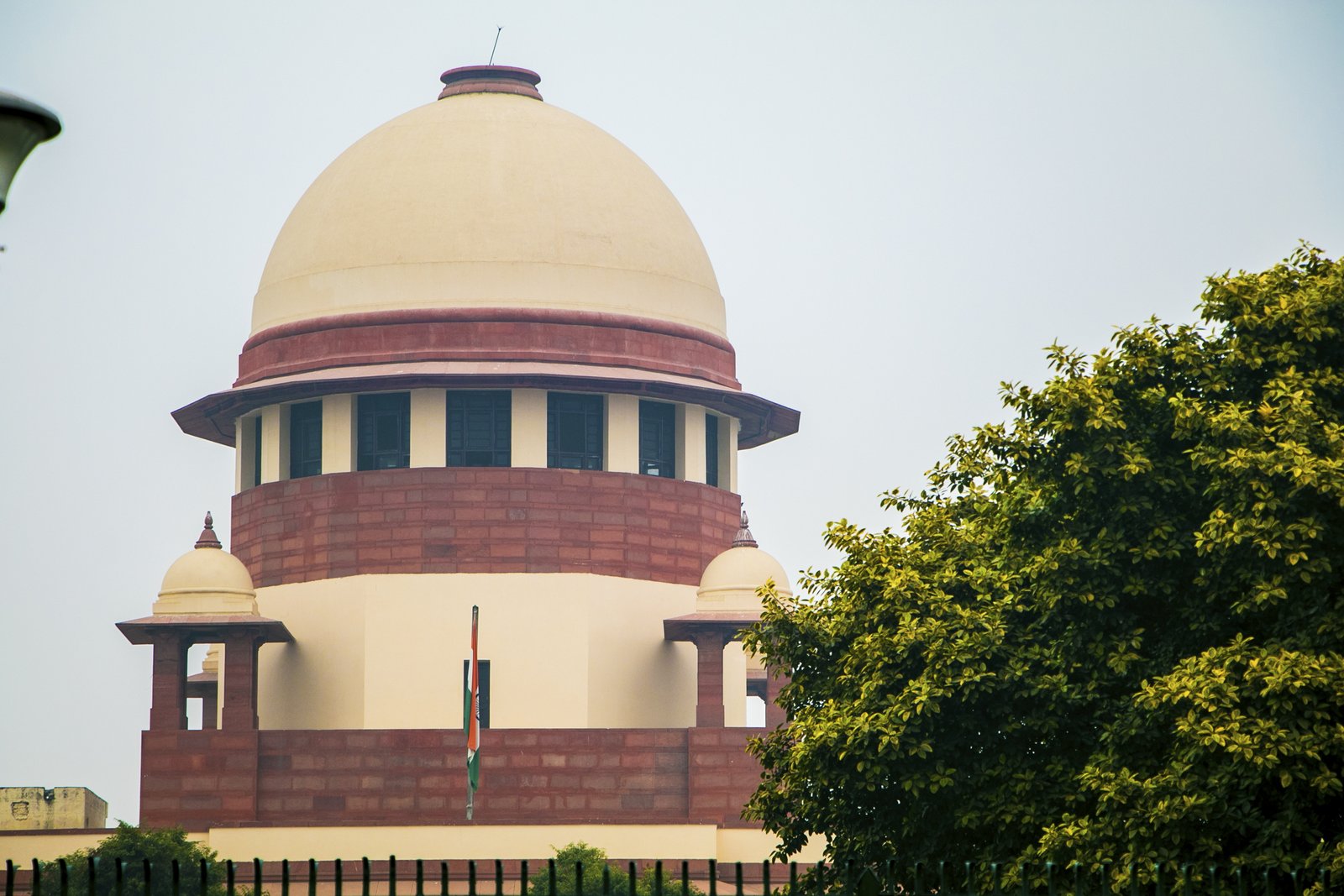
On 29 January 2026, the Supreme Court stayed the regulations, finding them “prima facie vague and easy to misuse.” The specific target was Clause 3(c), which defined caste-based discrimination as directed only at Scheduled Caste, Scheduled Tribe, and OBC students. Petitioners argued this left general-category students without recourse. The Court reinstated the 2012 rules in the meantime and ordered an expert committee to review the definition before any new framework takes effect.
What’s actually contested
The stay’s stated rationale is that naming which students the regulation protects makes the law “vague and easy to misuse.” That is a live dispute, not a settled fact. Petitioners frame Clause 3(c) as leaving general-category students exposed. The regulation’s drafters, and the students now organizing against the stay, frame that same clause as the entire point: caste-based discrimination is a specific, documented pattern directed at specific communities, and treating it as a symmetrical risk every student faces equally is itself a distortion. Those two framings do not carry equal weight here. The regulation exists because a student died, and the stay currently removes the only enforceable rule built in response to that.
Community voice
Students didn’t wait for the review committee to finish its work before organizing. On February 13, 2026, AISA, NSUI, BAPSA, Bhim Army Student Federation, and the Samajwadi Chhatra Sabha jointly held a “Samta Samvardhan March” at Lucknow University demanding the regulations be reinstated. Police blocked the route between Gate No. 3 and Gate No. 1 and forcibly detained several student leaders, some of whom were dragged by police personnel, despite organizers saying they’d given prior written notice that the march would be peaceful. Harshvardhan, AISA’s Uttar Pradesh joint secretary, said blocking the march:
“reinforces the urgency of independent and enforceable equity bodies”
— read as a direct answer to the stay’s own “vague and easy to misuse” rationale: the students argue it’s the absence of enforceable rules, not their presence, that leaves them exposed. Shubham Kharwar, NSUI’s Uttar Pradesh general secretary, put the same point in narrower terms: students raising a constitutional demand “should not be met with force.”