Why now
Wage data on Dalit women in rural India keeps surfacing the same pattern across independent surveys years apart: lower pay than men, and lower pay than other women, for the same work, in the same field.
Background
Dalit women in agricultural labour face two structures stacked on top of each other. Most own no land, and most face caste-based wage-setting layered on top of the gender wage gap other rural women workers also face. A general “gender pay gap” framing misses the caste-specific half of that structure entirely.
The data
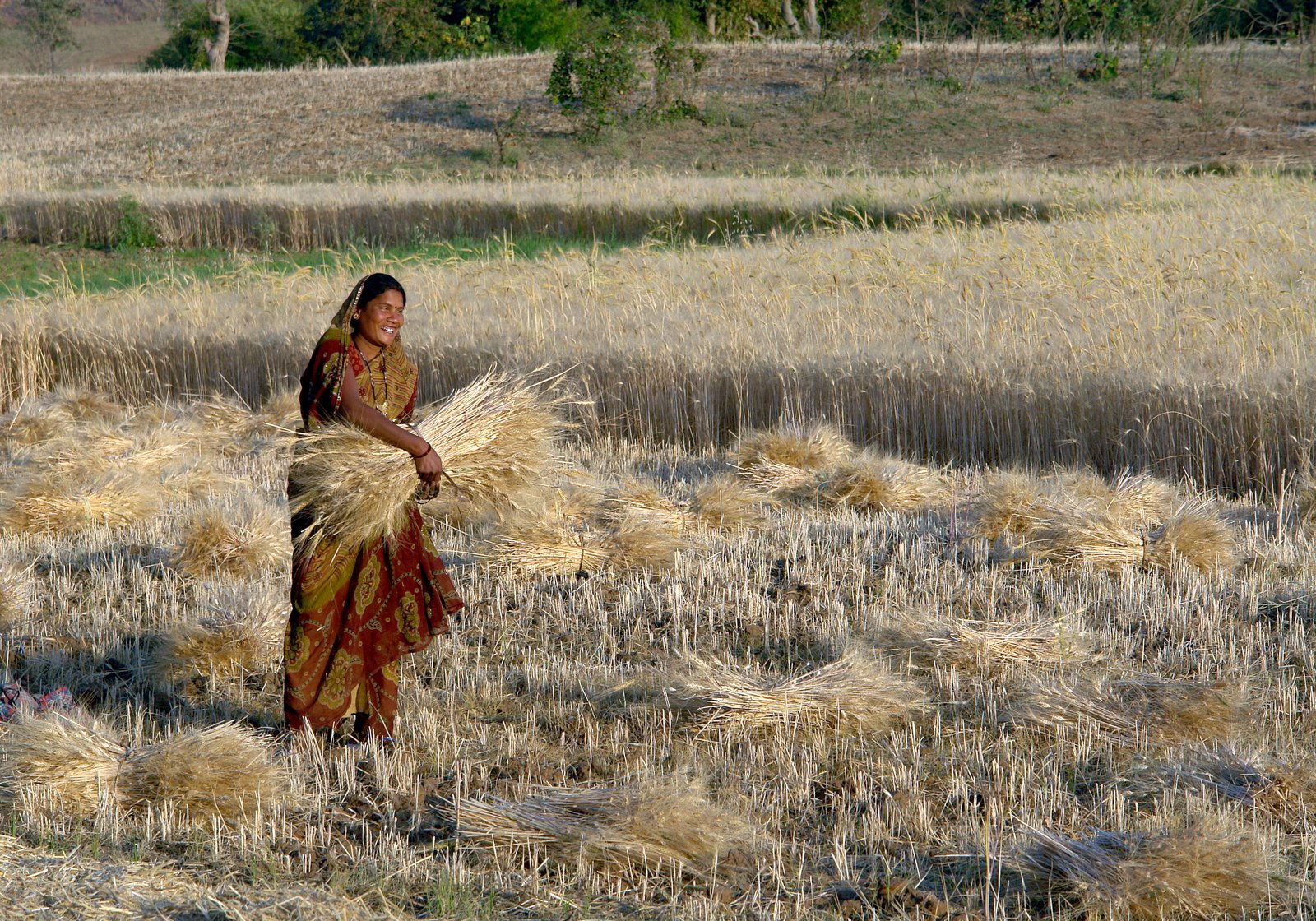
A 2023 FAS-PARI survey revisiting villages in rural Uttar Pradesh first studied in 2005 found women earned Rs. 144 a day for paddy transplanting against Rs. 290 for men doing comparable work, near double. In a separate village covered by the same survey, women’s daily wages ranged Rs. 200–300 against men’s Rs. 400. The survey also found employers converting in-kind payment (grain) to cash at rates below the prevailing market price specifically when paying Dalit women workers, with wages for these workers unmoved since before the 2020 pandemic.
The pattern isn’t confined to agriculture. Separate ThePrint ground reporting on Dalit ASHA workers has documented caste shaping how a worker’s competence is perceived by the community she’s posted to serve, despite formal qualifications identical to non-Dalit ASHA workers in comparable postings.
Who’s organizing on this
The All India Dalit Mahila Adhikar Manch (AIDMAM) and the National Federation of Dalit Women (NFDW, founded 1995) are established, ongoing organizing platforms for Dalit women’s economic and labour rights, working through advocacy, networking, and leadership development at district and state levels.
Community voice
Ruth Manorama, who founded the National Federation of Dalit Women in 1995, has been naming this compounding structure for years, not describing something new. She told The Hindu in 2011:
“Dalit women in India are the Dalits among Dalits and suffer from three-fold oppression — on account of gender as a result of patriarchy, caste ‘the untouchable’, and class — as they hail from the poorest and most marginalised communities.”
She added that most Scheduled Caste households in rural areas depend on wage employment and face chronic underemployment that deepens the poverty this creates. The FAS-PARI numbers are a 2023 snapshot of a pattern organizers like AIDMAM and NFDW have been documenting and organizing against for three decades.
Editor’s note: this piece draws its wage figures from one 2023 survey round in rural Uttar Pradesh. No independently verified, current national-level wage data disaggregated by caste and gender for agricultural labour was available for this piece; the numbers above should be read as village-level findings from that survey, not a national estimate.