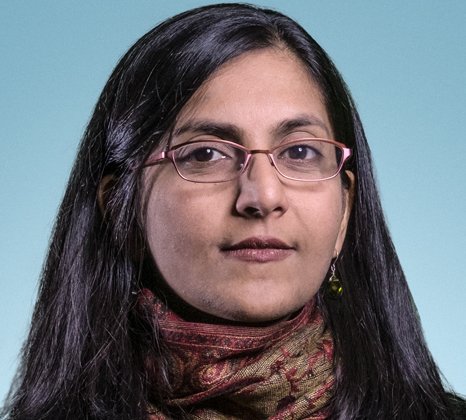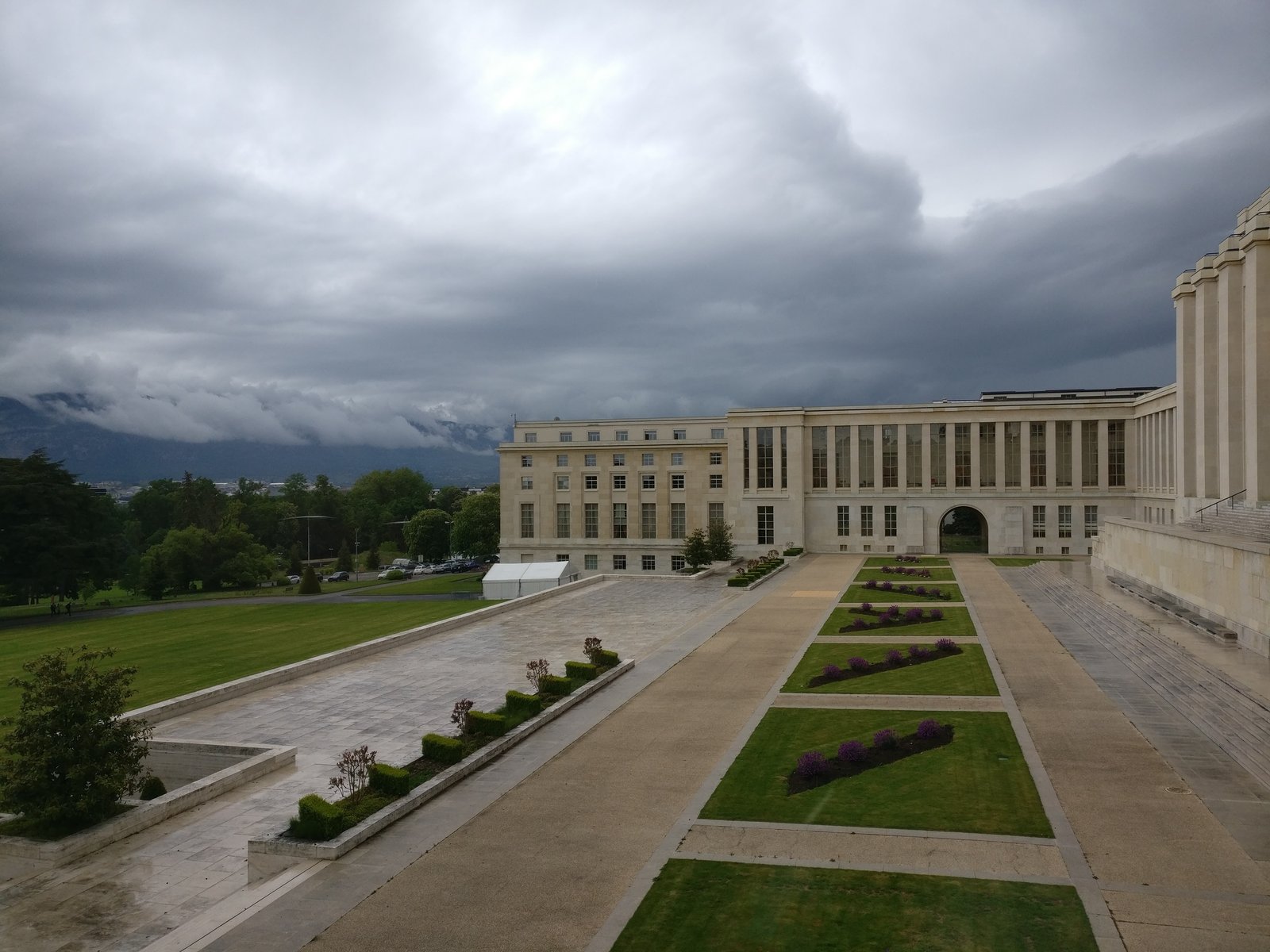
International law is, among other things, a system of categories, and what gets its own category tends to get its own enforcement machinery, its own reporting requirements, and its own line item in a state’s periodic review. What gets folded into a broader category borrows that category’s attention and inherits its blind spots. Caste discrimination has spent decades in the second position, argued as a form of “descent-based discrimination” under the international convention on racial discrimination rather than named on its own terms. On July 2, 2026, at the UN Human Rights Council’s 62nd session in Geneva, a side event titled “Caste, Gender and Power: #DalitVoicesForJustice” brought UN Special Rapporteurs Ashwini K.P. and Nicolas Levrat together with Dalit human rights defenders from India, Sri Lanka, Nepal, and Pakistan to press, in effect, for the reclassification. Ashwini K.P., the Special Rapporteur on racism and herself a Dalit rights advocate from Karnataka, used the floor to make the substantive case directly: caste operates through untouchability and caste-based sexual violence, compounds with gender, disability, religion, and sexual orientation, and Dalit women in particular are not only among those most affected but are human rights defenders, movement leaders, and experts in their own right — a rebuttal, in a single framing, to any account of the panel as defenders speaking while an expert explains.
The mechanics of a side event matter here as much as its content. A side event is not a resolution and does not bind the Council to anything; it is a room adjacent to the formal session where advocates, mandate-holders, and diplomats test arguments before they are ready for a vote. That a side event convened two sitting Special Rapporteurs alongside Dalit defenders is itself a data point: it means the argument for naming caste explicitly has enough institutional traction to get mandate-holders in the room, which is the precondition for any future resolution language, not a substitute for one.
The argument being tested is not merely semantic. A discrimination folded into “race or descent” is measured, reported, and remedied using race’s toolkit: anti-discrimination statutes modeled on racial equality law, monitoring bodies built to track racial disparity, diplomatic pressure calibrated to racial-justice precedent. Caste operates differently in specific, documented ways (endogamy enforced within a single ethnic or national population, ritual purity hierarchies, a system that can persist entirely within a single race as understood elsewhere), and advocates for an explicit caste category argue that measuring it with race’s instruments misses what makes it work. A dedicated category would, in principle, generate dedicated state reporting obligations and a dedicated place on the Council’s agenda, rather than a paragraph inside someone else’s.
It would be too easy to treat naming as self-evidently the fix, and the record complicates that reading. Formal categories in international human rights law do not enforce themselves; states routinely under-report against categories they have already accepted, and a new caste-specific mandate would inherit the same compliance problem that limits every existing mechanism, from CEDAW reporting to the Universal Periodic Review. Some diplomats and scholars have also argued, in other contexts, that proliferating categories can dilute rather than sharpen a body’s attention, spreading a fixed amount of Council time across more competing mandates. A side event succeeding at the level of ideas is not the same as a resolution succeeding at the level of votes, and states with an interest in keeping caste unnamed (several with large caste-affected populations among them) have a seat on the same Council being asked to rename the problem.
For a global reader unfamiliar with the machinery, the stakes are not abstract. A UN category is one of the few levers that can put a domestic practice on a foreign ministry’s desk, shape a foreign aid conditionality clause, or give a domestic Dalit rights organization language to cite in a case where “descent-based discrimination” reads as borrowed and “caste discrimination” would read as precise. Naming is not the whole fight. But it is very often the fight that has to happen before the rest of the fight has the right vocabulary.
What would show this side event mattered beyond the room it was held in is specifiable: whether the argument surfaces in the Special Rapporteurs’ own reports to the Council this session or next, whether any state delegation formally proposes caste-specific language in a resolution, and whether Dalit civil-society organizations gain the kind of accredited standing that lets them speak in the formal session rather than only its sidelines. Geneva runs on exactly that kind of incremental, unglamorous escalation. A side event is where an argument is rehearsed. Whether it graduates from rehearsal to the Council floor is not yet decided, and will not be decided by this one event alone.