Land ownership, occupational segregation, bonded and gig labour, workplace discrimination.
Showing —
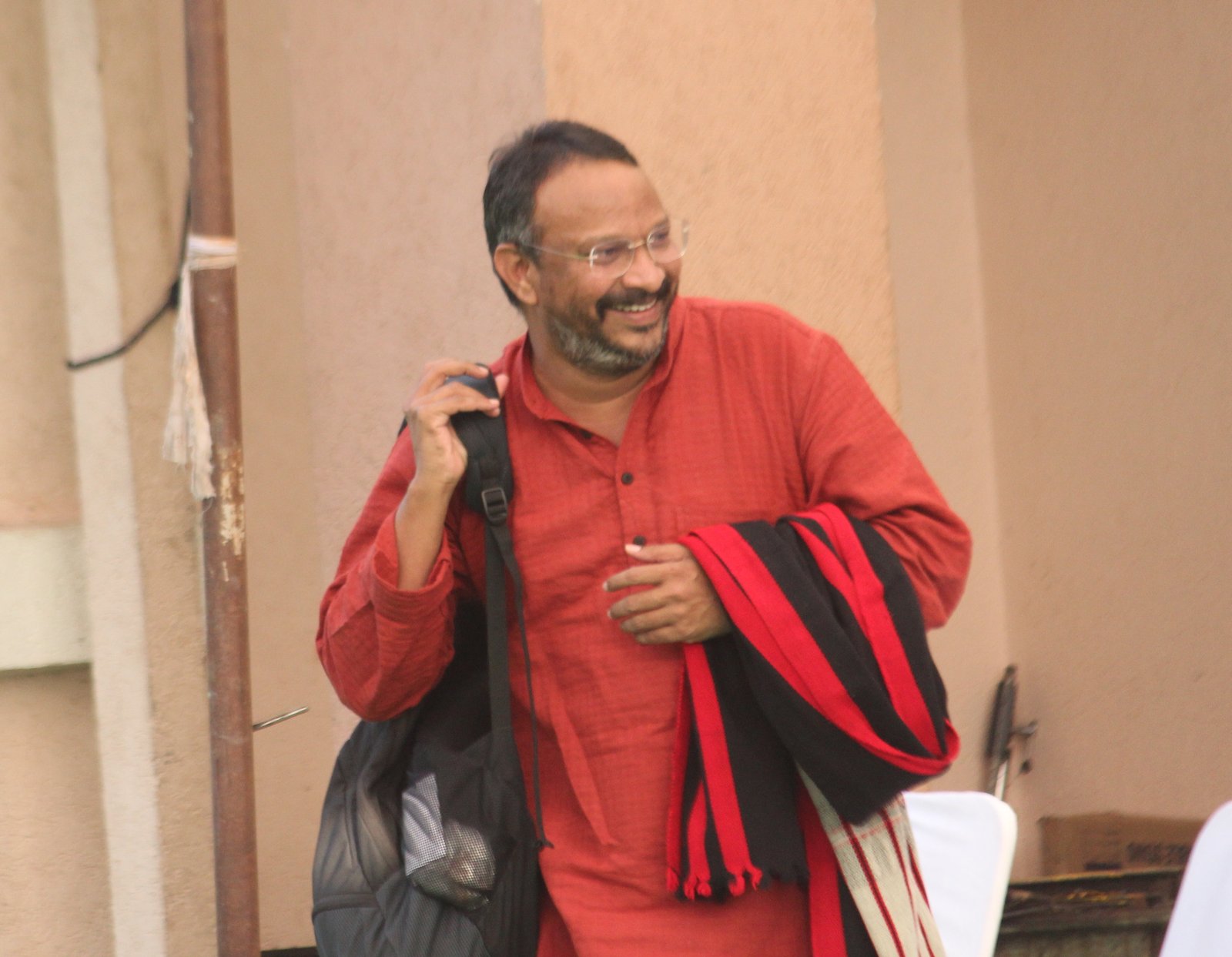
Bezwada Wilson, national convener of the Safai Karmachari Andolan, quoted in this piece calling the government's undercount 'a matter of national shame.' — Chinchu C / Wikimedia Commons, CC BY-SA 4.0
The government told Parliament 332 people have died in sewers and septic tanks since January 2021. A civil-society group counting the same years puts the number at 593. Neither figure is fabricated. They disagree because they are not measuring the same thing — and the gap between them is where the dead who don't officially exist are.
When Meta pulled a viral video of Dalit farmers resisting a Google data-centre land grab near Visakhapatnam, it didn't cite misinformation or copyright — it invoked a routine intermediary-liability clause, and the law let it.
India's tech economy is supposed to be a clean break from the old hierarchies. Look at who founds the companies, controls the venture capital, and runs the engineering teams, and the same pattern recurs — just wearing a credential instead of a caste name.
It rarely arrives as a slur. On a tech team, casteism looks like a review that never comes, a promotion cycle with the same names, an idea absorbed into the room and credited to someone else. The industry's self-image as a meritocracy is what makes it effective at hiding this.
An 1892 government order allotted over a million acres of land to Dalit communities across the Madras Presidency. More than 130 years later, they hold less than a tenth of it — and are still fighting, case by case, to claim what's legally already theirs.