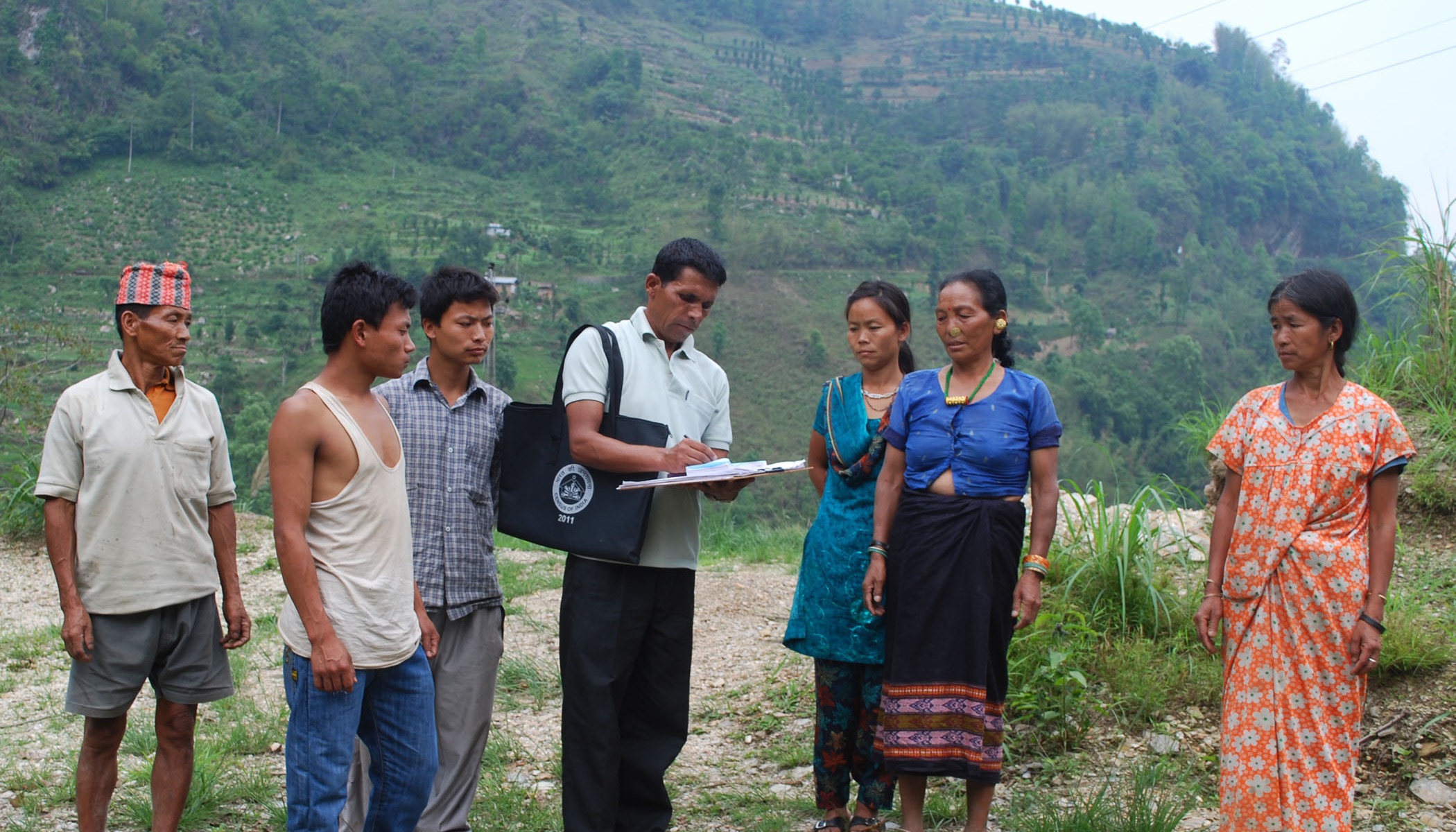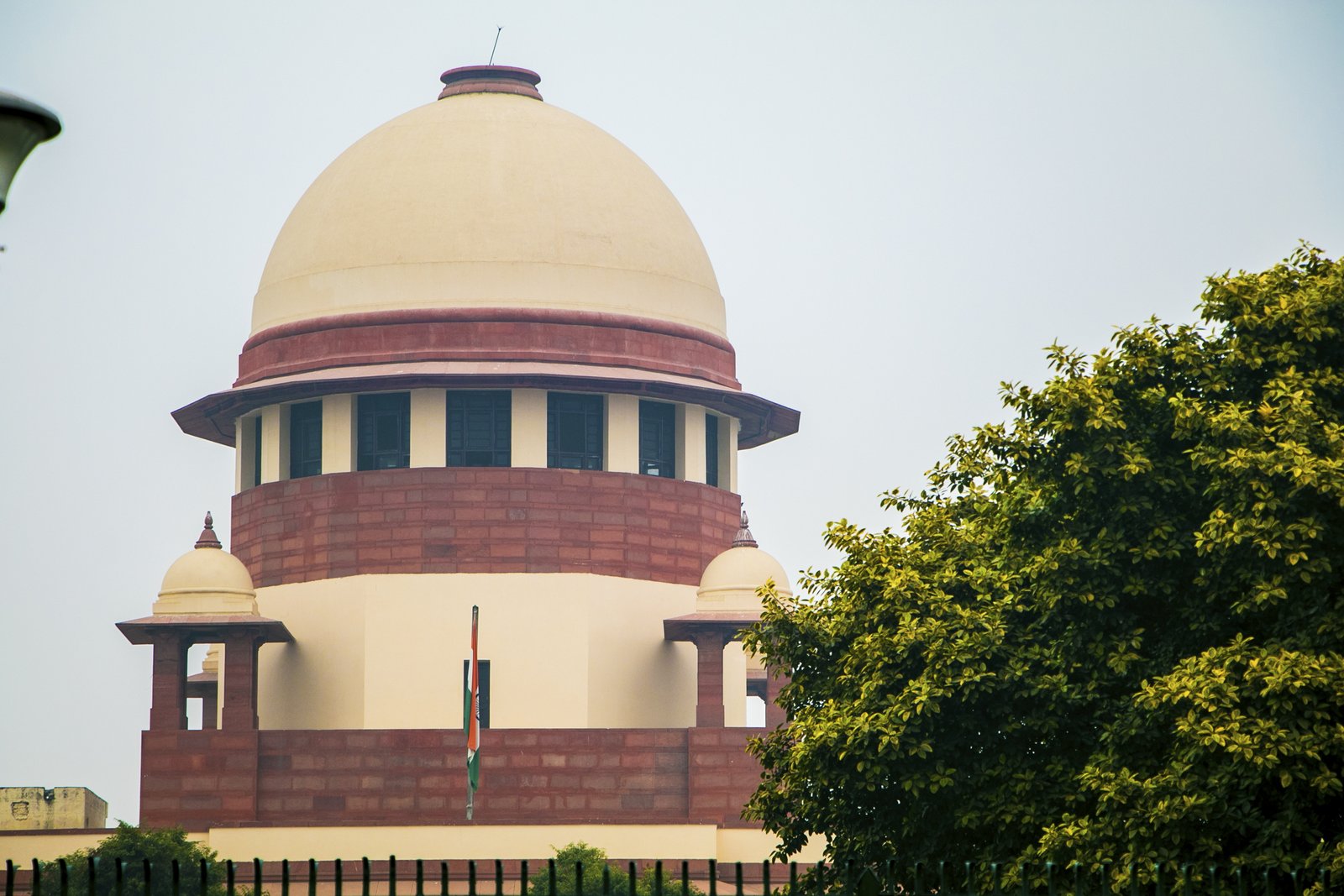
The Supreme Court dismissed a review petition filed by Pastor Chinthada Anand on July 15, 2026, declining to revisit its March 24, 2026 ruling in Chinthada Anand v. State of Andhra Pradesh that Scheduled Caste status lapses on conversion to a religion outside Hinduism, Sikhism, or Buddhism. Anand, born into the Madiga community in Andhra Pradesh, had spent over a decade as a Christian pastor when, he said, members of a locally dominant Reddy group assaulted him, abused him with a caste slur, and threatened his family in January 2021; the courts held he could not invoke the SC/ST Prevention of Atrocities Act to answer for it, because conversion had already erased the caste status the Act exists to protect. The National Council of Dalit Christians, the Catholic Bishops Conference of India, and the National Council of Churches in India have since stressed, in a joint statement, that this ruling decided only Anand’s individual case — a separate, still-pending set of petitions asks the Court to recognize Scheduled Caste status for Dalit Christians as a class under Article 25. That distinction may matter for what the Court does next. It changed nothing about what happened to Anand: the assault he says he suffered for his caste is, on the record now, an assault the law does not recognize as caste-based at all.
Dalits, the communities once branded “untouchable,” sit at the base of South Asia’s caste hierarchy, and Scheduled Caste status is the constitutional mechanism that extends them specific protections and reservations. The court’s reasoning traces back to a single clause in the Constitution (Scheduled Castes) Order of 1950, issued under Article 341 the same year the Constitution took effect. That clause restricted Scheduled Caste status to Hindus. It has been widened twice since: in 1956, to include Sikh converts, after decades of organizing by Mazhabi and Ramdasia Sikhs; and in 1990, to include Buddhist converts, under the V.P. Singh government. It has never been widened to include Christians or Muslims, and Anand’s case tested exactly that boundary.
The order’s logic, at the time, was not about theology. Untouchability was written into the Constitution as a specifically Hindu social wrong; a person who left the Hindu fold, the reasoning ran, left the caste system’s cognizable injury along with it, so the state’s remedy need not follow. Sikhism and Buddhism were eventually treated as exceptions to that logic on the argument that caste-based exclusion persisted inside those communities regardless of doctrine. Christianity and Islam were not granted the same exception, on the government’s continuing position that those faiths formally reject caste. Generations of Dalit Christians and Dalit Muslims have argued the opposite: that a baptism or a shahada does not erase how a neighbor, an employer, or a marriage market treats you, and that the clause protects a legal fiction over a lived fact. The state has already been told this by its own commission: the Ranganath Misra Commission found in 2007 that excluding Christian and Muslim converts was religious discrimination that violated the Constitution, and recommended Parliament delete the clause outright. Successive governments have declined to act on it. The courts, repeatedly, have left the argument to a Parliament that has already been handed the fix and set it aside — which is where Anand’s petition ultimately died too.
Paresh Hate, a Bahujan researcher and Dalit Voice’s lead content manager, wrote after the March ruling that the Court’s own premise was beside the point:
“The Court’s assertion that Christianity does not recognise caste is therefore beside the point. The question is not whether religious texts endorse caste, but whether social life reproduces it.”
Hate’s analysis goes further than the doctrinal question: cutting Dalit Christians and Muslims out of the Act’s reach, he argued, “removes a crucial mechanism for addressing violence that is explicitly caste-based in nature,” while a person “who has historically been forced into sanitation work does not cease to be socially marked because they now pray in a church or a mosque.” The ruling doesn’t just fail to fix that gap. It tells the people living in it that the law no longer sees it.
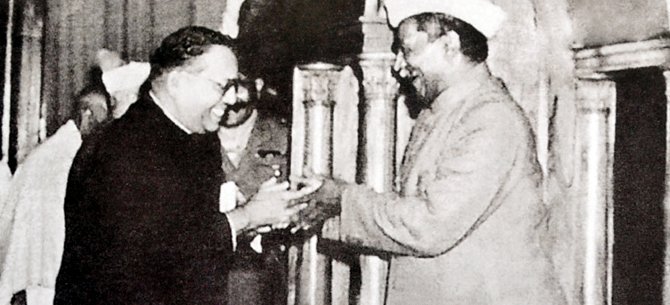
Set this clause beside a fact usually filed under religious history rather than constitutional history: B.R. Ambedkar, the jurist who chaired the Constitution’s drafting committee and the most consequential Dalit political figure of the twentieth century, converted to Buddhism in 1956, months before his death that December. He did not convert to a status already covered by the order he had helped bring into being. Buddhist converts were not added to the Scheduled Castes Order’s protected list until 1990, thirty-four years later. For that gap, Ambedkar’s own act of conversion sat on the wrong side of the very clause his life’s work had shaped: a Dalit who left Hinduism for Buddhism, under the order as it stood the day he took his vows at Nagpur, was not a person the state’s Scheduled Caste machinery was built to recognize.
Nothing suggests this was ever a live legal threat to Ambedkar personally; by 1956 his standing rested on a body of political and constitutional work no order could touch. The point is structural, not biographical. The clause did not anticipate that the man who built the case for Dalit constitutional dignity might convert to escape the very hierarchy the Constitution was meant to dismantle, and then find the Constitution’s own machinery unable to follow him for the rest of his life. That the gap was later closed for Buddhists and never for Christians or Muslims is not an accident of theology. It is a record of which conversions the state found easiest to accommodate and which it did not.
Seventy-six years on, the clause is doing the same sorting it always did, just to a different set of converts. Anand’s dismissal keeps the boundary exactly where the 1950 order drew it, minus two amendments made under later, different pressures. Whether a third amendment ever comes, for Christians, for Muslims, or for neither, remains a question for Parliament and not for the historical record. The record can only say that the line has moved before, that the man whose name is now invoked to defend Dalit constitutional protections once stood outside the very line those protections draw, and stayed there, and that the line has held against everyone who has since asked it to move again.