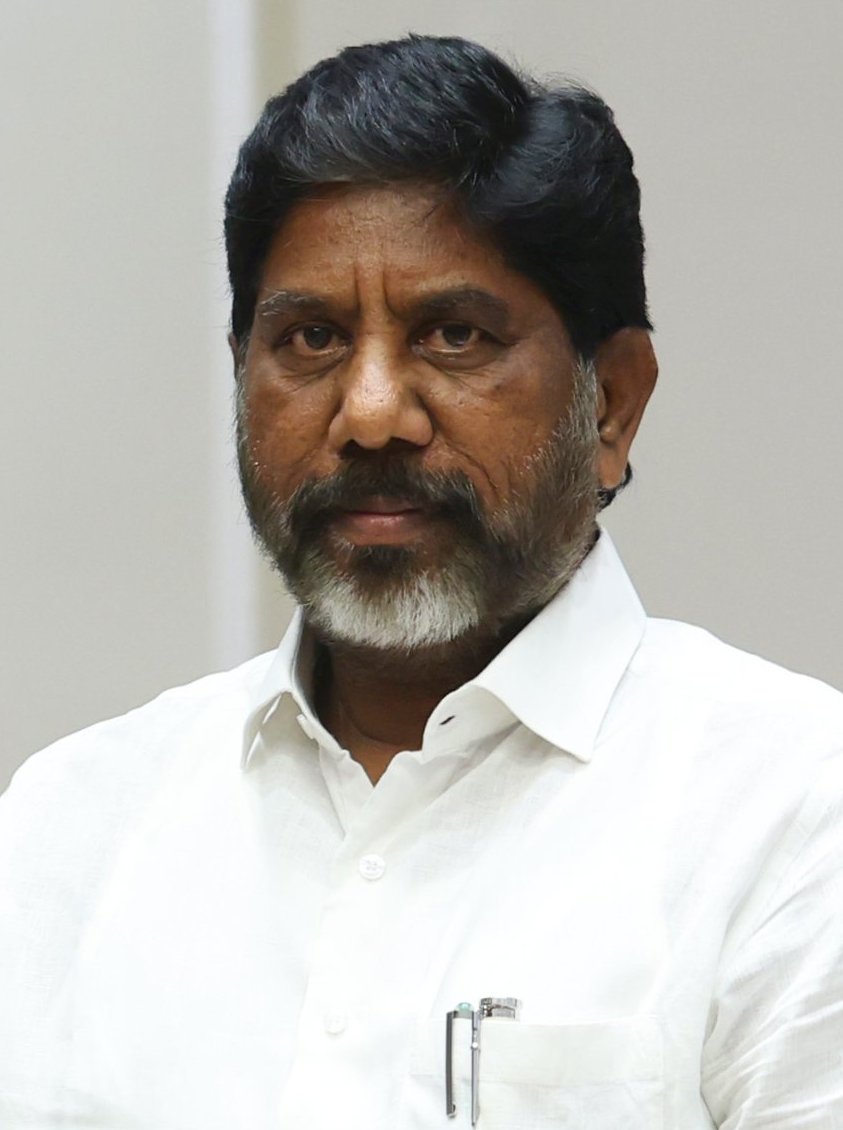
Ten years is a long time to wait for a law named after a death. Rohith Vemula, a University of Hyderabad research scholar whose 2016 death made his name the reference point for campus caste discrimination in India, has had that decade. On 17 April 2026, Telangana’s cabinet formed a sub-committee, chaired by Deputy Chief Minister Mallu Bhatti Vikramarka, to draft the Rohith Vemula Telangana (Prevention of Identity-Based Discrimination in Higher Education) Bill, 2026.
A sub-committee is not a law. It is the step before a draft, which is the step before a bill, which is the step before a vote. Every one of those steps can still fail, stall, or get quietly shelved, and Indian legislative history has no shortage of committees that never delivered. The state’s own naming of the bill invites comparison to the thing it commemorates, and that comparison is fair to make now, while the committee is new, rather than only after it has had years to disappoint.
Three months before the committee existed, Radhika Vemula was still waiting for it. Speaking at the University of Hyderabad on January 17, 2026, the tenth anniversary of her son’s death, with Telangana’s government having announced but not yet drafted anything, she put the stakes in her own terms:
“Casteism is worse [than cancer]. It’s like the coronavirus… the Rohith Act is a cure for casteism.”
Still, a decade of nothing followed by a formed sub-committee is not nothing either. A sub-committee with a named chair and a dated formation is a commitment a government can be held to in a way that a decade of general grief cannot. It gives the constituency asking for this law, students, scholars, and the movement that has kept Vemula’s name in public argument for ten years, an actual date and an actual official to hold the ask against. This is a real step, not a symbolic one, even if it is an early one.
What the bill would need to be worth the name it carries is specific. It needs a complaints mechanism a student can actually use, independent of the university accused, since Vemula’s own case moved through internal university processes that did not protect him. It needs consequences for institutions, not only individuals, since the pattern this bill is meant to answer is institutional, not one professor’s misconduct. And it needs a timeline the sub-committee itself is bound to. The government order forming the committee sets none: it asks for recommendations “at the earliest,” not by a stated date. A committee with no deadline is a committee that can exist forever without producing anything.
Telangana has given itself, and the movement that has spent a decade demanding this, a start. On July 17, 2026, the sub-committee held its first working meeting at the State Secretariat, with Vikramarka presiding alongside fellow ministers Uttam Kumar Reddy, Damodar Rajanarsimha, D. Sridhar Babu, and Ponnam Prabhakar. Vikramarka reiterated the government’s commitment to permanently ending identity-based discrimination against students in higher education. A first meeting, three months after the committee’s own formation, is real if modest movement, and it is also still short of a draft: what came out of the room was a stated commitment, not text a legislature could vote on. What the state does with the drafting still ahead of it, and whether Vikramarka’s committee produces a bill with teeth or a bill with a name, is the test the ten-year wait has earned the right to set.